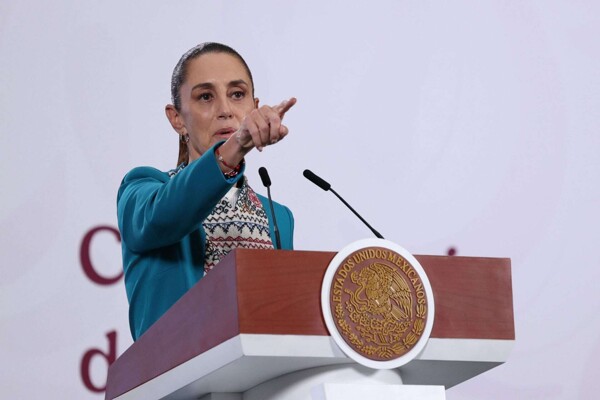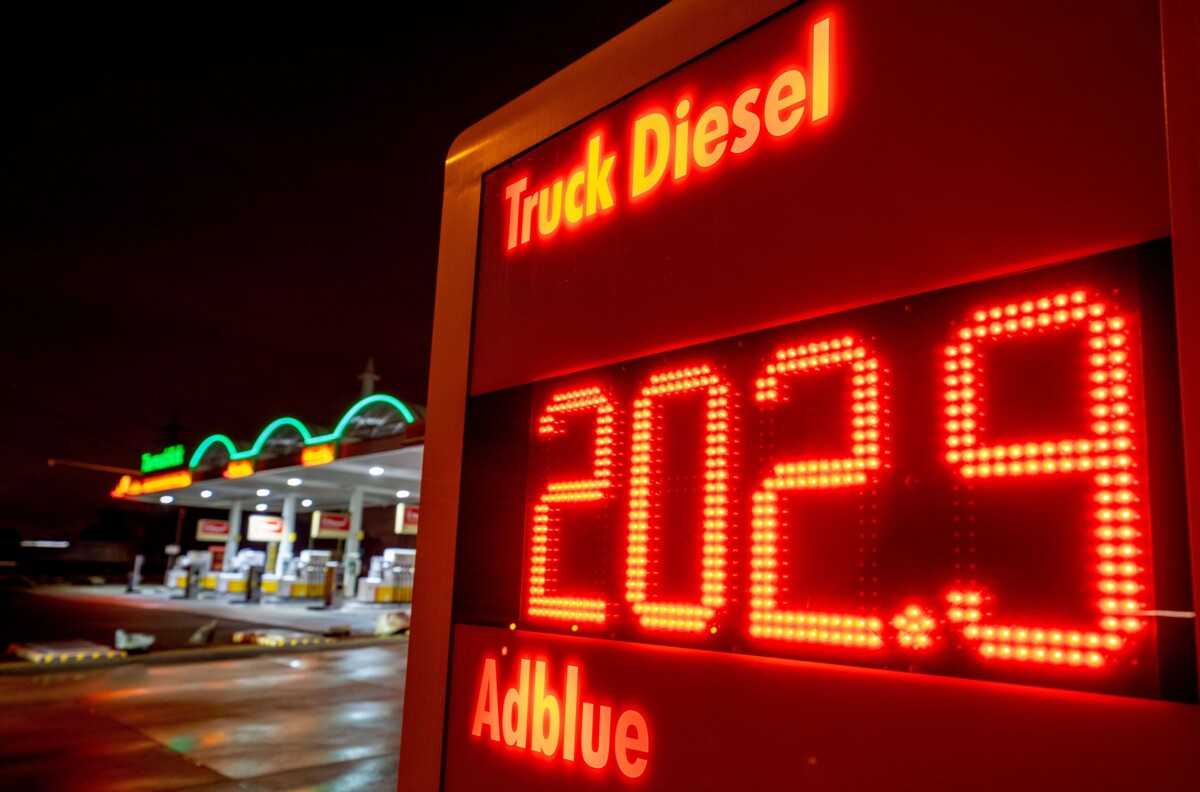
In the context of international pressure due to rising oil prices, the Government of Mexico and entrepreneurs from the gasoline sector have reached a temporary agreement to reduce the price of diesel in the country in the coming days. This measure is part of a joint strategy aimed at containing the impact on transportation and logistics costs, and consequently, on the inflation faced by Mexican families. Government-private sector coordination The agreement was pushed by the federal administration headed by President Claudia Sheinbaum, in coordination with gas station companies, under a voluntary participation scheme similar to the one already in place for regular gasoline. According to the official proposal, the reduction in the price of diesel will depend on operational variables such as inventories, distribution logistics, costs at terminals, and the tax incentives applicable to IEPS. Current strategy for regular gasoline This new adjustment adds to the Strategy to stabilize the price of regular gasoline, which has been in operation for the last year with the participation of the private sector and various government entities. According to the federal Government, this policy has made it possible to keep the price of this fuel below 24 pesos per liter nationwide, in an environment marked by volatility in energy markets. Economic impact and international pressure The agreement is implemented in a global scenario characterized by the rising cost of oil and its derivatives, which has generated pressures on fuel prices internationally. In this context, the reduction of diesel—key for the transport of goods—seeks to mitigate effects in supply chains and avoid a direct pass-through to final product prices. Both the Government of Mexico and the companies in the gasoline sector reiterated their commitment to maintain permanent coordination to stabilize fuel prices and reduce the economic impact on the population.