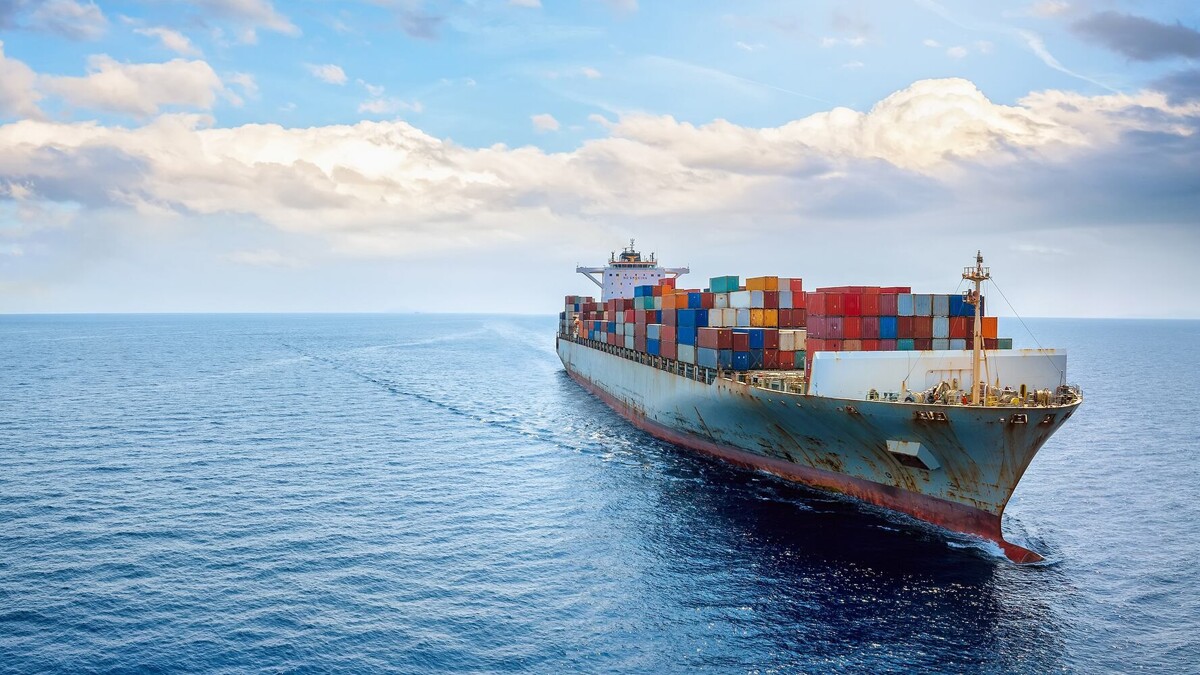
The conflict in the Strait of Hormuz is increasing maritime transport costs to Mexico due to a 5-10% rise in hull insurance premiums for vessels exposed to risk. This increase is beginning to translate into higher prices for consumer goods, stated Astrid Karam, Marine & Cargo Leader at Marsh México, in an interview.
“Since February, at least 16 vessels passing through the Strait of Hormuz have been impacted by the conflict. Consequently, major shipping lines have decided to divert their routes to the Cape of Good Hope in South Africa,” Karam indicated.
This adjustment involves longer voyages (up to 20 additional days), higher fuel consumption, and additional pressure on freight rates, factors that are already beginning to affect the Mexican economy.
The impact has already reached goods arriving at ports such as Altamira, Tampico, and Veracruz, particularly on routes from Asia with stops in the Middle East and Europe.
In this scenario, companies are already adjusting their logistics to avoid operational disruptions.
“We have clients who have had to make decisions to divert or redirect their shipments to prevent issues in their supply chain,” she explained.
The impact will depend on the companies' ability to absorb costs or maintain inventories, as otherwise, the rise in logistics costs could directly translate into final prices or even lead to product shortages.
Although Mexico has not recorded any interruptions in the supply of energy, the global increase is already being reflected in domestic prices.
“Being a commodity whose price is influenced by world trade, if diesel, gasoline, and gas are rising worldwide, it is reflected in Mexico,” she explained.
In an environment where global logistics costs will continue to rise as long as the conflict persists, the specialist considered that opportunities could open for Mexico as a logistics hub.
“Possibly this is a second chance for nearshoring projects that did not materialize. Many companies might see Mexico not only as a manufacturing country but as a place that helps them manage logistical difficulties,” she said.