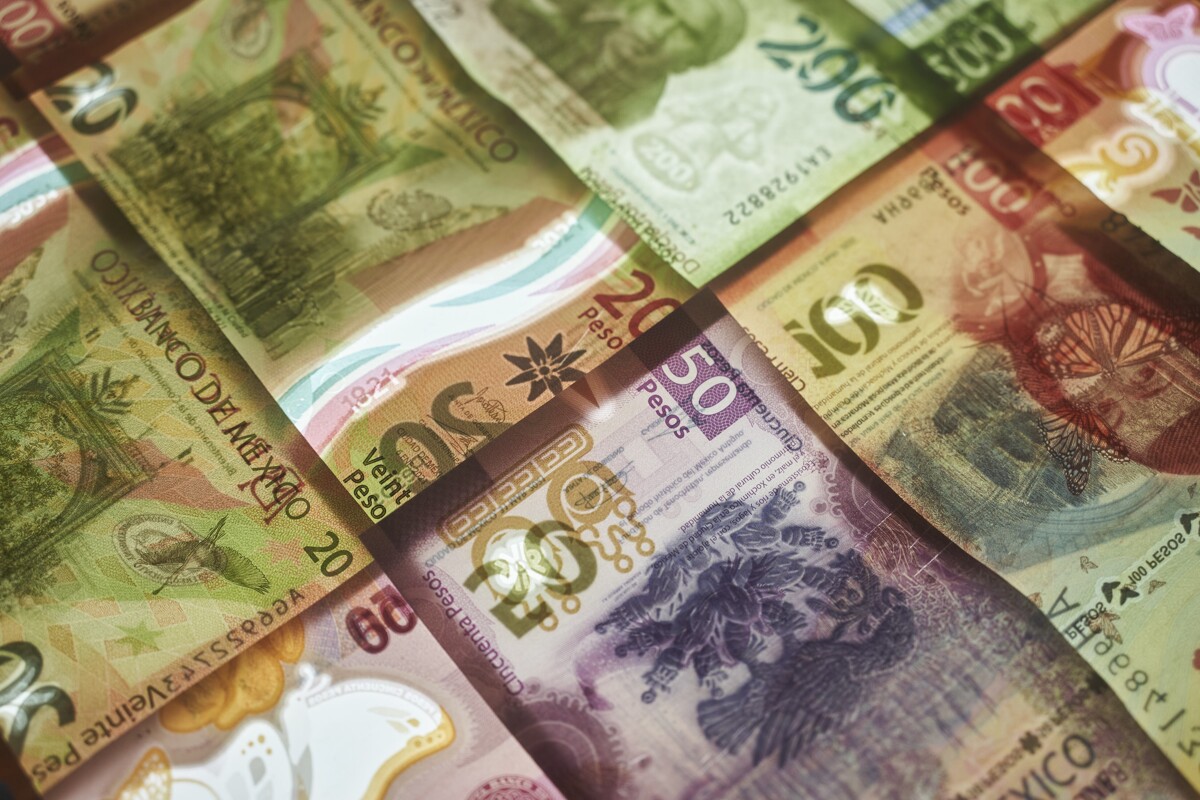
Historically, they say, high taxes on wealth have coexisted with periods of great economic growth and job creation. Those who speak this way almost never refer to the other side of the coin, which must also be taken into account in a serious and not demagogical analysis. To begin with, there is undoubtedly a negative effect in taking resources away from productive companies, as it discourages investment. Recently, President Claudia Sheinbaum opened the debate on whether taxes should be raised on the wealthiest sectors of society. Her arguments refer to the desire to reduce “inequality” and her proposal is to tax large fortunes to redistribute wealth, supposedly because a minority concentrates almost half of the national patrimony. Those who support this idea argue that in many countries the richest pay an effective rate lower than the working class due to tax benefits on dividends and capital gains. But one must not forget that initiatives have been presented in the Chamber of Deputies to raise up to 60,000 million pesos annually, affecting the most productive sectors of society. The President speaks of an increase in government income uncritically, as if it were always something positive. In his work, Unproductive Progress, analyst and writer Gabriel Zaid demonstrated that, at least in the 70s, although taxes increased, inequality did not decrease and, on the contrary, it increased. Before taking a leap into the void, it would be a good idea to think and rethink things in dialogue with those interested. Indeed, penalizing capital formation reduces productivity and, in the long term, affects wages and employment. We must also not forget the inescapable reality of capital flight: there is a risk that large fortunes will move to jurisdictions with a lower tax burden (tax havens) or that they will reconfigure their portfolios towards less productive and harder-to-tax assets. To this must be added the lack of liquidity: taxing assets (non-liquid assets such as shares or real estate) may force owners to sell assets to pay the tax, which generates distortions in the market. As always happens in these cases of supposed generosity, in the end costs are passed on to those most in need, since taxes can end up being transferred indirectly to the prices of goods and services, harming those with lower incomes. So far, the current government has prioritized efficiency in collection and the fight against evasion without necessarily introducing new general rates for now. It is not necessary to cite the cases of the Soviet Union where state income was spent on creating a house of horrors that gave us inhuman experiences like the Gulag. The idea that higher taxes mean less inequality is also anti-historical.