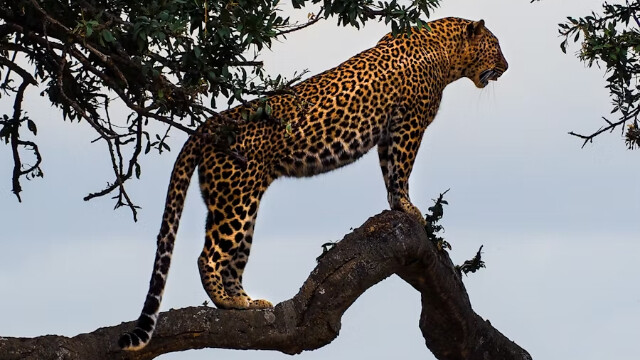
In Mexico, the jaguar dance is a profound and symbolic cultural tradition found in various states. Dancers wear masks with feline features, simulated skins, and ankle rattles, accompanied by traditional music played on violin and drum.
In Puebla, the jaguar dance focuses not only on hunting but also on the symbolic invocation of the animal as a guardian of the territory and a mediator between the human and spiritual worlds. In Oaxaca, one of the country's most culturally diverse states, the jaguar holds a prominent place in several dance traditions, symbolizing power and transformation. Here, the jaguar, as a central figure, remains a powerful symbol that connects communities with their history, territory, and worldview.
In Morelos, primarily in Nahua communities, the jaguar dance manifests as part of the intangible cultural heritage. It depicts the hunting of a jaguar threatening a community, combining theatrical elements, carved masks, colorful costumes, and popular dialogues. In Guerrero, this tradition is widely known as the Dance of the Tecuán (from Nahuatl, meaning 'jaguar' or 'beast'), where dances combine ritualistic movements, local music, and symbolic attire, highlighting the use of masks that reflect the duality between human and animal.
In Chiapas, the jaguar holds a central place in the Maya cosmovision, considered a sacred animal associated with the underworld, the night, and spiritual power. Here, the jaguar is revered as a protector, linked to rain, fertile earth, and spiritual balance. Dances are often held during religious fiestas where pre-Hispanic elements coexist with Christian celebrations.
In Veracruz, in regions with Totonaca influence, the figure of the jaguar appears in ritual dances related to fertility, rain, and the protection of crops. In the southern part of the State of Mexico, the jaguar dance is part of traditional celebrations linked to the land and fertility, with costumes often including natural elements and masks that emphasize the feline's symbolic strength.
The jaguar dance is not a static expression of the past but a living tradition that continues to adapt to social changes without losing its essence. It features characters such as hunters, dogs, doctors, and authorities, turning the dance into a ritualized social critique. In every state where it is performed, this dance strengthens cultural identity, fosters community participation, and preserves ancestral knowledge.