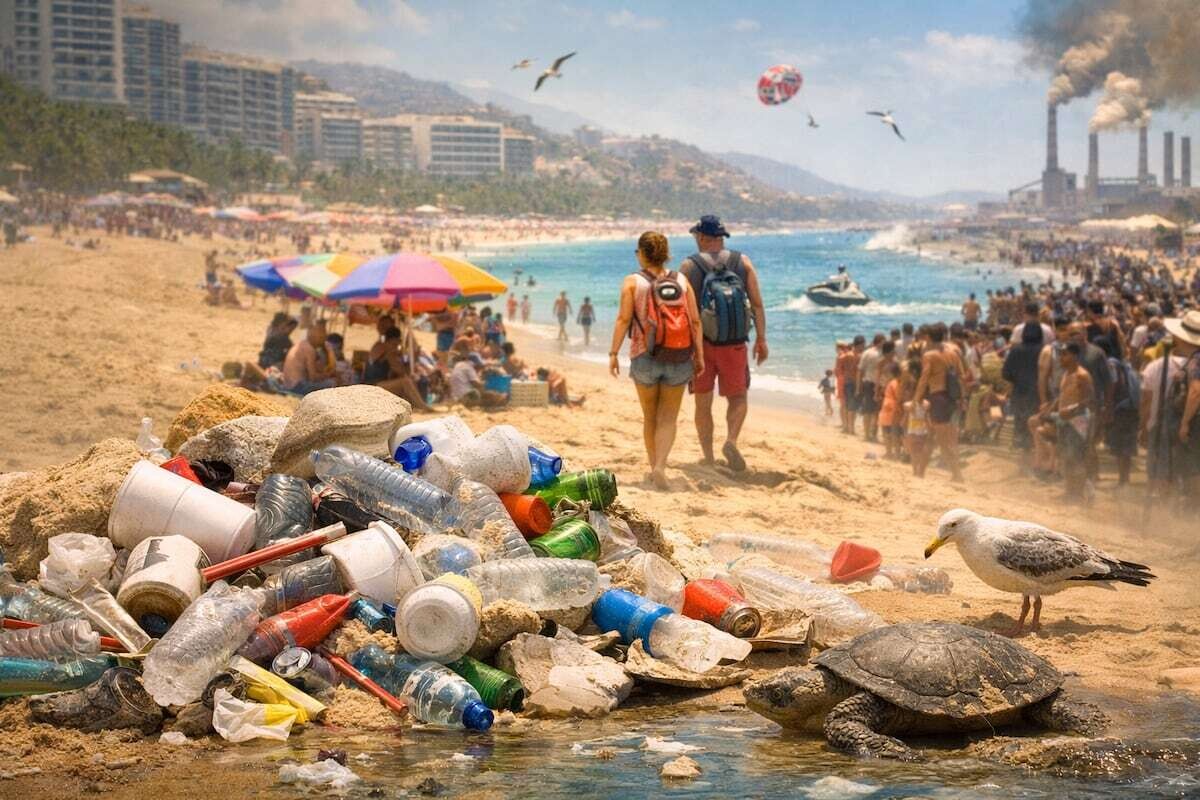
Mexican Easter holidays lead hundreds of Mexicans to the coasts to enjoy the beaches of Mexico, such as Acapulco, Cancun, and the Riviera Maya, as well as various religious tourism points across the country. This phenomenon is not limited to coastal areas but also affects urban areas, a source commented. During the 2025 Easter period, nearly 14.7 million tourists traveled within the country, according to the Ministry of Tourism. As a result, tourist areas like Mazatlan in Sinaloa, as well as the beaches, reported over 1,100 tons of garbage. Additionally, in Los Cabos, Baja California, local authorities collected more than 600 tons of waste, specified the organization Vitalis in Mexico. This situation keeps ecological alerts active during this season. Similarly, Centeno noted that this phenomenon is not exclusive to high-traffic tourist destinations like beaches or natural areas, as cities also see an increase, such as the Passion of Christ event in Iztapalapa. 'The massive concentration of attendees also poses a significant challenge in waste management and pressure on the environment, recalling that in previous years, more than 370 tons of solid waste have been generated during these events, according to authorities,' she specified. One strategy to reduce pollution on beaches and natural areas in an environmentally friendly way is to not leave trash in rivers and seas, avoid consuming liquids in disposable containers, and prevent noise pollution. Data: The Seven Environmental Sins: Abandoning trash in natural spaces, which ends up in rivers and seas, affecting wildlife. The intensive use of vehicles, which increases pollutant emissions during travel. The consumption of single-use plastics, the main cause of ocean pollution. Harassment of wildlife through manipulation or extraction of species. Noise pollution, which alters natural ecosystems. Waste from religious celebrations, such as wax and incense, which affects soil and water. The overconsumption of water, especially in high-demand tourist destinations. During this season, waste generation can increase by up to 40%, especially on beaches and other natural areas, according to estimates from Vitalis México. Therefore, the high flow of tourists not only fills vacation destinations but also translates into a significant increase in the impact on beaches, wildlife, bodies of water, and public services. For Gabriela Centeno, director of Vitalis in Mexico, the problem of increased waste and pollution on beaches or natural areas does not lie with tourism, but with the habits that are replicated during these dates. 'During this vacation season, waste generation can increase by up to 40%, especially on beaches and natural areas. However, along with the economic boom, high hotel occupancy, and increased road traffic, a less visible footprint also grows: the accumulation of trash and pressure on ecosystems.'