Understanding how environmental characteristics affect living organisms is essential. This is necessary to protect valuable ecosystems such as mangroves, coral reefs, and cloud forests, as well as to promote sustainable agricultural practices that respect the needs of the soil and climate. It also helps in planning urban development without compromising the natural balance and conserving endangered species, many of which are endemic. The future of Mexican biodiversity largely depends on recognizing these factors and acting responsibly.
One of the key factors is wind. It transports pollen, seeds, and spores; regulates the temperature in certain environments and contributes to the dispersal of odors and chemical signals. The pollination of many plants depends on the air. Some birds and butterflies use currents to migrate. In coastal areas, the wind shapes vegetation, making it low and resistant.
Not only the physical environment influences living organisms: biological interactions determine the survival of any organism. These can be physiological, such as water conservation in camels or the slow metabolism of bears; morphological, such as spines in cacti or dense fur in animals in cold regions; and behavioral, such as migrations, nocturnal habits, or hunting strategies.
In Mexico, there are abundant examples: desert cacti store water and reduce water loss; the axolotl has unique adaptations to live in temperate aquatic environments; the jaguar uses humid jungles to hunt with stealth. These characteristics show that life always adapts to environmental conditions, but there are limits that cannot be exceeded.
Water is the most influential vital factor. It is indispensable for all organisms for essential functions such as nutrition, transport of substances, photosynthesis, temperature regulation, and reproduction. In humid areas, there are abundant plants with large leaves, amphibians, insects, and specialized microorganisms. In dry areas, species adapted to these conditions, such as cacti, reptiles, and mammals capable of retaining water, thrive. Aquatic ecosystems (rivers, lakes, and seas) depend completely on the quality and movement of water.
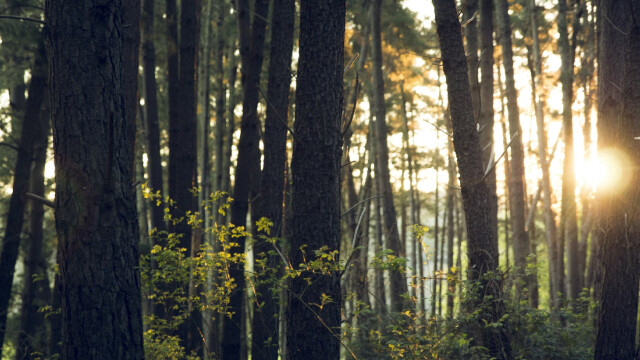
Temperature is key to metabolism and the distribution of species. It regulates internal processes such as metabolism, reproduction, and daily activity. When the environment is very cold, many living organisms reduce their activity or enter phases of lethargy. In very hot zones, organisms develop mechanisms to prevent dehydration. Plants adjust the opening of stomata to control water loss and photosynthesis. At high altitudes, temperatures tend to decrease, which favors cold-climate species such as firs and pines, unlike the warm climate on the Pacific coast, where mangroves and jungles predominate.
Sunlight is an indispensable source of energy for plants and a regulator of biological cycles. Plants use it for photosynthesis, a process that sustains the entire food chain. The duration of the day (photoperiod) influences migrations, flowering, and reproduction. Light intensity is crucial for photosynthesis; in dense forests, plants must adapt to shade. In the tropical forests of Chiapas, light barely reaches the ground due to the density of the foliage, forcing small plants to adapt to living in the shade.
Soil is a vital resource that stores nutrients, water, and essential microorganisms. Soil properties that affect living organisms include pH (some organisms thrive in acidic soils; others in alkaline), texture (clayey soils retain water; sandy ones drain quickly), available nutrients, and depth. In Mexico, this can be clearly observed: while the Lacandon Jungle has abundant humidity, the Sonoran Desert is dominated by extreme scarcity.
Relief modifies temperature, humidity, and light availability. In mountains, temperature decreases with increasing altitude. Valleys usually retain moisture and host denser vegetation. Slopes facing the sun receive more heat than shaded ones. Therefore, in a single state like Puebla, foggy forests, arid zones, and highly productive agricultural areas can coexist.
Human impact is a factor that modifies all environmental characteristics. Currently, human activity alters almost all of the above factors. Urbanization, the use of agrochemicals, deforestation, and climate change change the needs of living organisms and force them to adapt or disappear. The consequences are habitat loss, air and water pollution, reduced biodiversity affecting entire food chains, and temperature alteration due to global warming. This is especially visible in Mexico, where many endemic species are at risk due to the rapid modification of their environment.