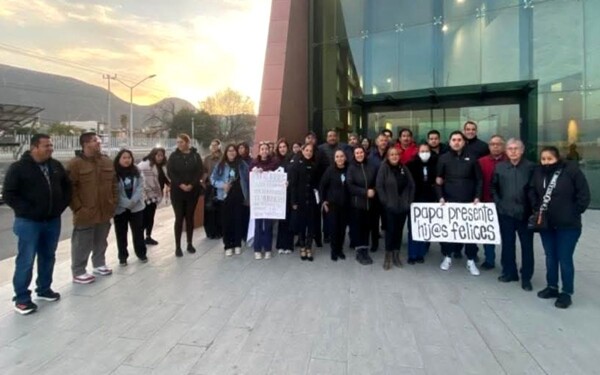
Mexico and Chile reaffirmed their bilateral commitment to training specialized human resources and consolidating more resilient, equitable, and balanced health systems. During the closing event, the Deputy Director of Academic Development and Extension of the National Public Health Institute (INSP), Nenetzén Saavedra Lara, recalled that the diploma course had 564 students selected from a total of 800 applicants, and called for applying the acquired knowledge to professional practice in the various sectors involved in the care of migrants. Students, from the health sector and areas linked to migration, took the program between August 18 and November 14, 2025, strengthening their capabilities based on cross-cutting axes such as gender, interculturality, life course, social determinants, human rights, and guidelines for health systems sensitive to the needs of migrant persons. During the meeting between Mexican health sector representatives and Chilean students, the General Director of Public Health Policies, Daniel Aceves Villagrán, highlighted the relevance of inter-institutional cooperation to consolidate shared knowledge and strengthen mechanisms that integrate contemporary care approaches. On behalf of the Secretary of Health, David Kershenobich, Aceves Villagrán underscored Chile's contributions to public health in the region, especially the implementation of the Front-of-Package Labeling model for ultra-processed foods and sugary drinks, an experience that has been adopted and adapted in Mexico as part of efforts to address the commercial determinants of health. These components are supported by Chile's International Migrant Health Policy and Mexico's General Health Law, which made it possible to articulate a binational training platform with a comprehensive perspective. The diploma course was promoted by the Ministry of Health of Chile, the Ministry of Health of Mexico, the National Public Health Institute (INSP), and the Joint Mexico-Chile Cooperation Fund, configuring an institutional effort that reinforces academic and technical collaboration between the two nations. The binational diploma consolidates regional cooperation on migration, health, and human rights. The Secretariat of Health celebrated the conclusion of the Binational Diploma 'Migration: Health and Rights in Motion,' jointly promoted by the authorities of Mexico and Chile, in which 546 people from both countries participated, with the aim of strengthening technical and specialized capabilities to understand and address the health challenges associated with human mobility. This recognition placed the diploma within a framework of technical exchange that transcends academic training and contributes to building convergent public policies. The General Director of International Relations of the Secretariat of Health, Gabriel Terrés Cruz, emphasized that this initiative is an example of building shared solutions that transcend borders and promote the guarantee of access to health and respect for the rights of people on the move. The meeting was attended by the General Director of the National Center for HIV/AIDS and Hepatitis Prevention and Control (Censida), Juan Luis Mosqueda Gómez; the General Director for South America of the Ministry of Foreign Relations, Pablo Monroy Conesa; the 'E' medical sciences researcher at the INSP Health Systems Research Center and academic coordinator of the diploma, René Leyva Flores; as well as 10 participants from Chile, who were part of the binational exchange.

Mexico and Chile Conclude Binational Diploma on Migration and Health
Mexico's Secretariat of Health and Chilean authorities celebrated the conclusion of the binational diploma 'Migration: Health and Rights in Motion.' The program, which included 546 professionals from both countries, aimed to strengthen capabilities to address health challenges related to human mobility, showcasing a prime example of cross-border cooperation.