Authorities have called on residents to avoid the use of fireworks and bonfires during Christmas celebrations, stating: “to the extent that we all participate, we will protect everyone's health.”
They also issued specific recommendations for December 25th in the event of poor air quality: – Stay with windows closed to prevent polluted air from entering. – “Avoid vigorous outdoor activities in the morning of December 25th, such as running or cycling,” because you breathe more deeply and more pollutants enter the body. – If you are outdoors, wear a mask.
Finally, they reminded the public to report any forest fires to 800-737-0000 or 911.
The burning of rockets, fireworks, and bonfires with wood or tires “causes the deterioration of air quality and frequently leads to the declaration of an atmospheric environmental contingency” in the metropolitan zones of the Mexico City Metropolitan Area, Toluca Valley, and other cities in the Megalopolis.
This call is not only about the environment but mainly about health.
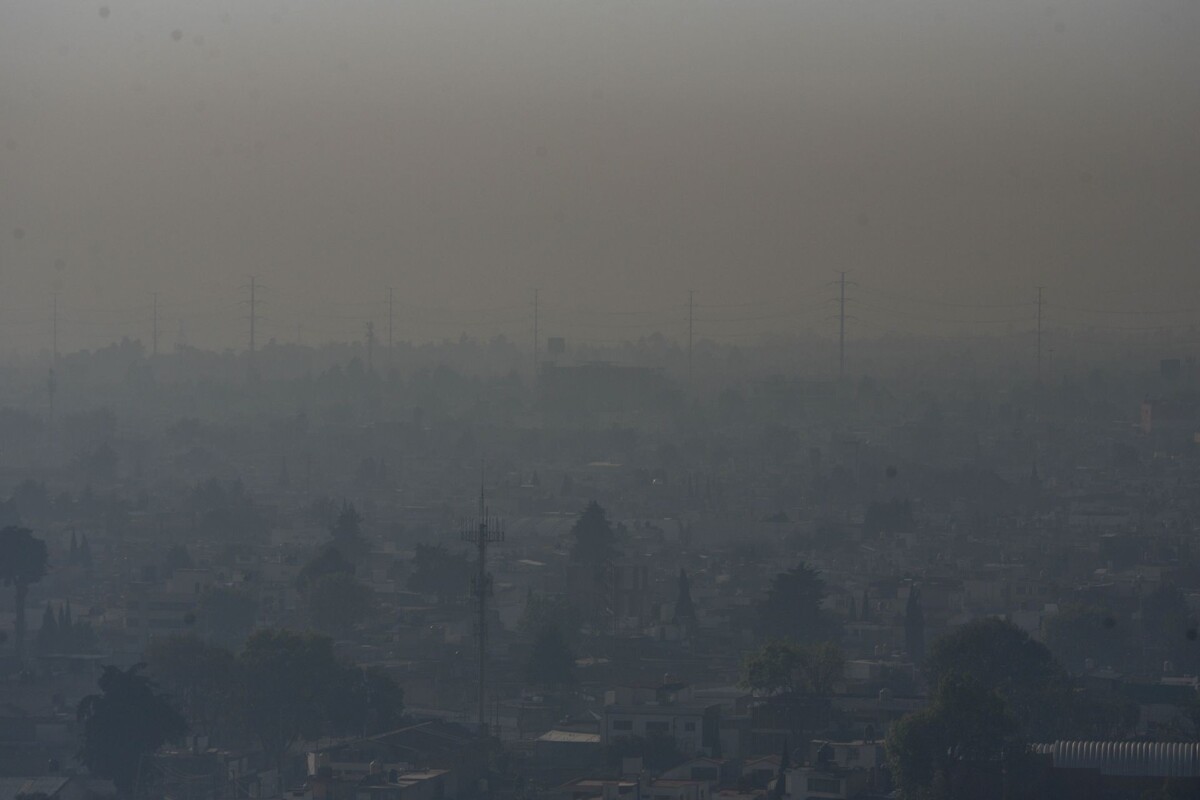
The request aims to prevent the severe deterioration of air quality, which is already critical at this time of year, and to protect the health of everyone, especially children, the elderly, and people with respiratory diseases.
Why does air quality worsen in winter?
Authorities explained that between December and February, natural atmospheric conditions worsen air quality.
The Environmental Commission of the Megalopolis (CAMe) and the secretariats of environment of CDMX and the State of Mexico made an urgent call to the population: avoid the burning of pyrotechnics and bonfires during Christmas celebrations.
“Pollutants, especially PM10 and PM2.5 particles, increase their concentration compared to the rest of the year, due to low temperatures and the presence of a greater number of thermal inversions that favor their stagnation.”
To this seasonal phenomenon is added the pollution caused by festive human activities.
According to the National Institute of Public Health (INSP), exposure to the fine particles generated by fireworks “damages the health of the population, and especially that of vulnerable groups.”
These particles can cause everything from immediate symptoms such as “eye, nose, and throat irritation; headache and allergic reactions,” to more serious problems like “upper respiratory tract infections; acute ischemic events (heart attacks), and asthma exacerbation.”
The authorities' message is clear: “use alternatives to celebrate without polluting.”