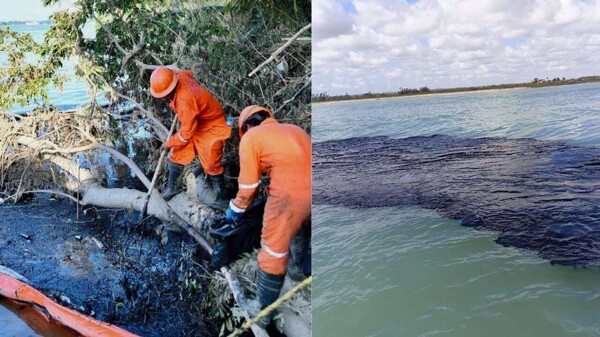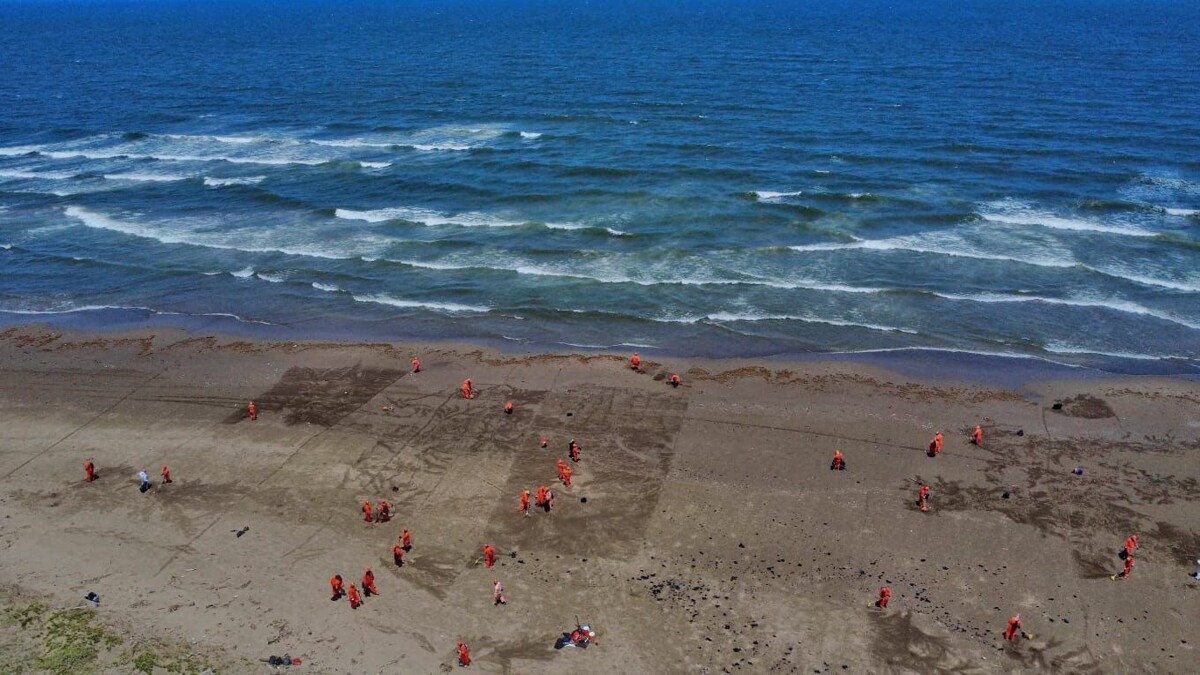
Mexican environmental authorities are conducting inspections to ensure compliance with environmental regulations in the hydrocarbons sector. The Agency for Safety, Energy and Environment (ASEA) and the Federal Attorney for Environmental Protection (Profepa) are carrying out on-site inspections, land patrols, and verification flights in the states of Veracruz, Tabasco, Campeche, and Tamaulipas to verify compliance with environmental regulations in the hydrocarbons sector. They are also verifying cleanup work in the Ostión Lagoon in Coatzacoalcos; on the beaches of Arroyo Verde and Laguna de Tupilco in Paraíso, Tabasco; as well as in sections of the El Alacrán-Manatinero Ejido in Cárdenas, Tabasco. Additionally, they have held meetings with academics and civil society organizations to gather information on sites with hydrocarbon presence and possible impacts on flora and fauna. Through Profepa, the Ministry of Environment and Natural Resources (Semarnat) will continue to conduct joint patrols and follow up based on the information gathered in these meetings. An interdisciplinary group, including the Secretariat of the Navy (Semar), the Secretariat of Environment and Natural Resources (Semarnat), the Secretariat of Energy (Sener), ASEA, Petróleos Mexicanos (Pemex), Profepa, and state and local authorities, reports that comprehensive actions continue to be carried out to address the presence of hydrocarbons detected in coastal areas of Veracruz and Tabasco. These actions are developed under five priority axes. ASEA has issued 5 information requests to hydrocarbon extraction companies in the Gulf of Mexico to identify possible incidents linked to their activities that could be related to the detected hydrocarbon. Profepa has visited more than 32 sites, including beaches, lagoons, rivers, and streams. These tasks include supervising containment actions, assessing environmental impact, and gathering elements for the ongoing investigation. ASEA has conducted 11 supervision tours in the municipalities of Coatzacoalcos, Pajapan, Antón Lizardo, Boca del Río, Alvarado, and Tuxpan, Veracruz. Attention and support to fishing communities. Pemex, through its Social Responsibility area, maintains direct communication with affected fishing cooperatives and fishermen, providing technical accompaniment and support schemes to mitigate the economic impacts of the contingency, with an amount of over 35 million pesos, in the following actions: Support for the municipality of Pajapan through the supply of 100,000 liters of fuel; 60,000 of magna gasoline and 40,000 of diesel, with a value of over 20 million pesos. Through the Community and Environment Support Program (PACMA), an amount of 15 million pesos will be invested for the acquisition of fishing gear. Since March 17, the Pemex Mobile Medical Unit has been operating to provide health services in the affected municipalities. Additionally, Pemex has incorporated residents from affected communities into temporary work schemes for sanitation tasks. Subsequent actions after identifying the origin. Once the origin of the incident is determined, actions will be taken in accordance with the current legal framework to determine responsibilities and, if applicable, impose corresponding administrative, criminal, and environmental sanctions, including economic fines and environmental liability. Environmental remediation measures, support for ecosystem restoration, and compensation to affected sectors such as fishing communities will also continue. Marine zones are also being continuously monitored to recover any existing hydrocarbons before they reach the coast. The Government of Mexico reaffirms its commitment to protecting the environment, transparency in the investigation of the facts, and prioritizing attention to affected communities. Technical investigation into the origin of the hydrocarbon. In parallel, a technical and scientific investigation is being maintained to determine the origin of the detected hydrocarbon, using satellite images, vessel displacement in the area with drone support, and overflights with Mexican Navy aircraft. As part of this process, oceanographic analysis, monitoring of sea currents, and reviews of maritime and port infrastructure are carried out, as well as information requests to energy sector operators. It is important to note that the image widely publicized by an NGO is clearly false, as it is a graphic representation superimposed ON A BASE MAP and does not correspond to real satellite images. Cleaning and sanitation of beaches and coastal areas. Permanent cleaning work is being maintained on beaches, bodies of water, and affected mangrove areas, through inter-institutional brigades that perform manual collection, installation of containment barriers, and the use of oil-absorbent booms for hydrocarbon recovery. To date, approximately 128 tons of crude oil-impregnated waste have been collected along more than 165 kilometers of coastline in the vicinity of the ports of Alvarado, Coatzacoalcos, Tuxpan, and Veracruz, in the Veracruz entity, as well as in Dos Bocas, Tabasco; and to confine the dispersion of the contaminant at strategic points, preventing its spread to sensitive ecosystems.