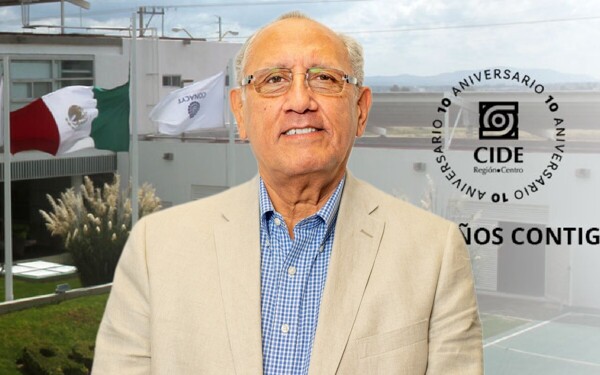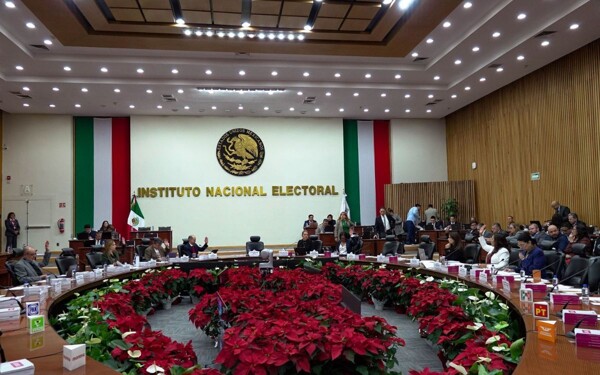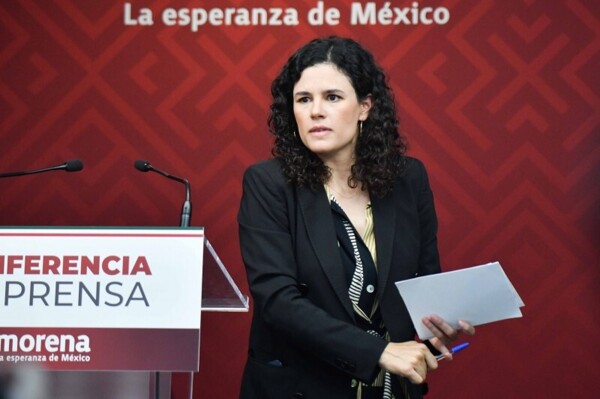
Pablo Gómez, head of the Presidential Commission for Electoral Reform, spoke out against setting the budget for the National Electoral Institute (INE) through a fixed formula tied to the Gross Domestic Product (GDP). This proposal is defended by electoral advisors, who consider it one of the key aspects to maintain the institute's autonomy. It is a 'minimum' budget that, according to the advisors, would allow the INE to carry out its tasks and fulfill its obligations. INE advisors met with Pablo Gómez this Monday, handing him a document with 204 proposals. In a meeting with reporters, Gómez stated his opposition to setting the INE's budget indexed to the GDP, assuring that expenses can be economized. He also spoke out against the use of the word 'autonomy' to refer to institutions like the INE. He considered that it should be treated as an administrative body with full independence in its resolutions, operating impartially and seeking to preserve legality and certainty. You may be interested > United States will allow Mexico to supply oil to Cuba. He said that the central aspects of the electoral reform proposal will be defined by President Claudia Sheinbaum in the coming days. He stated that all possible aspects are being considered for the initiative that will be sent to Congress, including the possible election of advisors.
INE Proposals Presented to Pablo Gómez
According to an INE communiqué, these are the highlighted proposals:
Electronic Voting and New Modalities: - Gradual implementation of internet voting with security criteria - Mixed voting model: electronic and in-person at polling stations - Early voting for polling station officials and security forces
Judicial Power Election: - Temporarily separate judicial elections from ordinary elections - Prohibit the participation of political parties in the promotion of judicial candidates - Specific calendar: campaigns in August-September, Electoral Day on the last Sunday of October
Oversight and Transparency: - Use of Artificial Intelligence for resource oversight - Oversight of digital platforms, social networks, and influencers - Regulation of virtual assets (cryptocurrencies) in electoral financing
Gender Parity: - 50% of campaign financing mandatory for female candidates - Typification of digital violence against women in electoral matters - Specialized ombudsman for victims of gender political violence
Inclusion and Accessibility: - Voting in preventive detention nationwide - Permanent Voter ID for Abroad - Affirmative actions for indigenous peoples, Afro-Mexicans, people with disabilities, and migrants