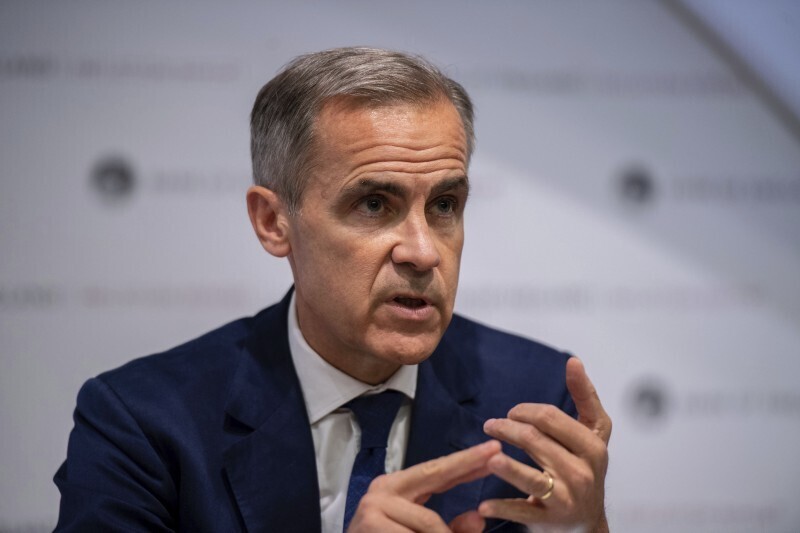
Two recent events are stimulating the harder wing of the government: on the one hand, Donald Trump's statements about the low importance he places on the USMCA, and on the other, the trip of Canadian Prime Minister Mark Carney to China to accelerate various commercial negotiations with the Asian giant. For the 'obradorismo' movement, the only way to contain the onslaught from the White House is by increasing ties with China, a link that has somewhat deteriorated since the end of 2025 due to the imposition of tariffs on certain imports. The most ideological sectors embrace the thesis of a full entry into the BRICS bloc and reducing dependence on the USMCA, a shift that has deepened since Andrés Manuel López Obrador's reappearance to question the military advance in Venezuela. They also claim that the United States has become an unpredictable partner compared to the growth of other options like China and India. Concepts that have little support in the presidential staff, where for now, the logic is the reverse: without the USMCA, it will be impossible for the economy to grow again and to meet social support obligations. Ultimately, as they usually say in the economic staff, 'the 'morenismo' movement has no destiny without the USMCA.' These concepts were very visible as of yesterday, Tuesday, when the Secretary of the Treasury, Edgar Amador Zamora, joined a forum of finance ministers convened by Treasury Secretary Scott Bessent. The same will happen at the Davos forum with the trip of Altagracia Gómez, who will attend that summit representing Sheinbaum with the message of promoting investment in Mexico as a platform for North America.