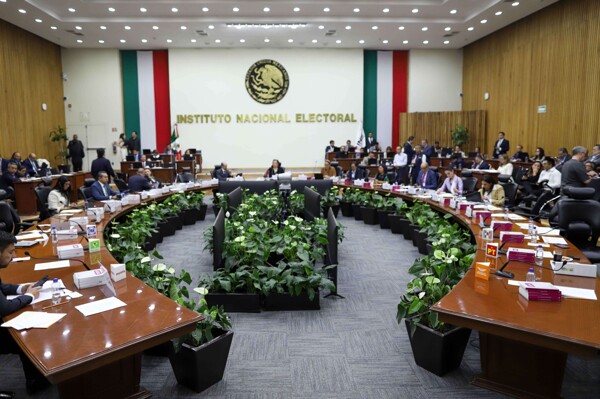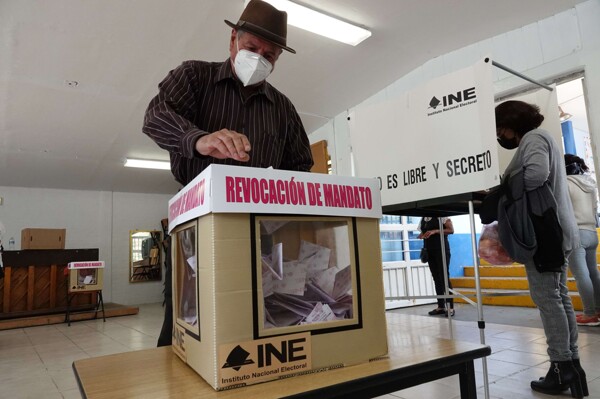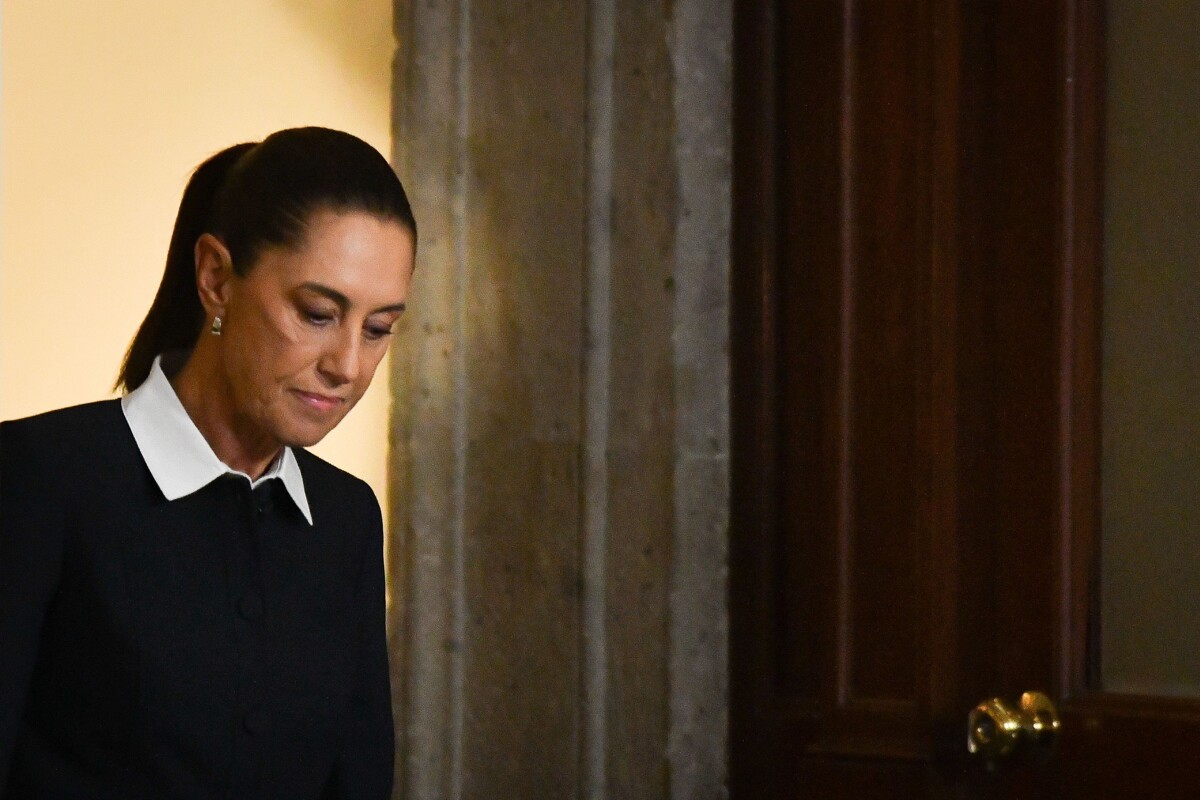
Parties like the PAN, the PRI, and Citizen Movement receive this defeat of the ruling party as a true breath of fresh air. It's not just about having stopped an electoral reform pushed from power, but about having done so at a strategic moment: the eve of the midterm elections. The opposition's narrative is strengthened. The technical approach without a political reading ended up isolating the proposal. Moreover, the weakness of the legal areas of the Presidency left open flanks that facilitated the fragmentation of the original project. The result was a 'Plan B' that, far from strengthening the electoral system, generates concerns around federalism. The approved adjustments transfer political pressures to states and municipalities, with marginal savings that hardly justify the institutional cost. Instead of a structural reform, what was obtained was a partial redesign with unequal and questionable impacts. The third reading points to the realignment of forces within the governing coalition itself. They not only resisted presidential pressure but also capitalized on their position to advance their own political agendas. Their interest in governorships such as San Luis Potosí and Zacatecas, as well as their strategic approaches—even with Citizen Movement in key states like Nuevo León—show that they are no longer subordinate allies but actors with their own agenda. This empowerment redefines the internal dynamics of the so-called Fourth Transformation. This reveals that presidential power, although strong in narrative, finds limits in real political operation. This is where the second reading emerges: the failure of the operators. The coalition ceases to be a compact block and begins to show cracks that, if not addressed, could deepen as electoral processes approach. On the other side of the board, the opposition finds a respite. They can argue that the ruling party is not invincible, that there are real checks and balances, and that the construction of majorities is not guaranteed. This could translate into greater electoral competitiveness and a reactivation of party structures that had been weakening. But perhaps the most relevant reading is in what comes next. Key figures like Rosa Icela Rodríguez of Segob, Ricardo Monreal, and Ignacio Mier, the shepherds of the ruling party in Congress, fell short. The lack of agreements cannot be explained solely by the resistance of allies; it also responds to a deficient construction of consensus. In politics, imposing does not replace negotiating, and in this case, the negotiation simply did not exist or arrived too late. To this is added the role of Pablo Gómez, whose leadership of the project was perceived as rigid, closed, and insensitive to parliamentary dynamics. And in that reality, politics—the real kind—returns to the center stage. From San Lázaro, what is observed is not just a trimmed reform, but a realignment of power. The approval of a diminished Plan B in the Senate leaves much more than a technical adjustment: it opens a series of political readings that exhibit weaknesses, reconfigure alliances, and anticipate a more complex scenario heading into the midterm elections. The first reading is inevitable: President Claudia Sheinbaum lost. It's not just about circumstantial differences, but about divergent political interests that are unlikely to disappear. In this context, the president's leadership style will be decisive. If that is the path, the political cost could be even greater. The alternative, more complex but more profitable, would be to build bridges. The president failed to align even her natural allies. Neither the Green Party nor the Labor Party gave in to Executive pressure. The ruling party will have to close ranks with its allies, rebuild relationships, and redefine negotiation mechanisms. However, the cracks are deep. Betting on state agreements, on reforms built from consensus and not imposition. Understanding that governability in a plural democracy requires yielding, negotiating, and listening. The episode of the diminished Plan B leaves a clear lesson: the Legislative Power is not an automatic extension of the Executive. What was originally proposed as an ambitious Plan A and B—with the elimination of proportional representation seats, the disappearance of 32 Senate seats, a 25% reduction in party financing, and the inclusion of the recall vote in the midterm election—ended up becoming a trimmed version, with limited scope and a high political cost. The result not only implies a partial legislative defeat but also a clear signal of political fragility. The Labor Party and the Green Party emerge strengthened. Not only with their allies but also with the opposition. And this realignment is just beginning. There is a risk of hardening, of looking for internal or external culprits, of privileging confrontation over dialogue. The so-called 'stitch-up operation' within the 4T will be inevitable.