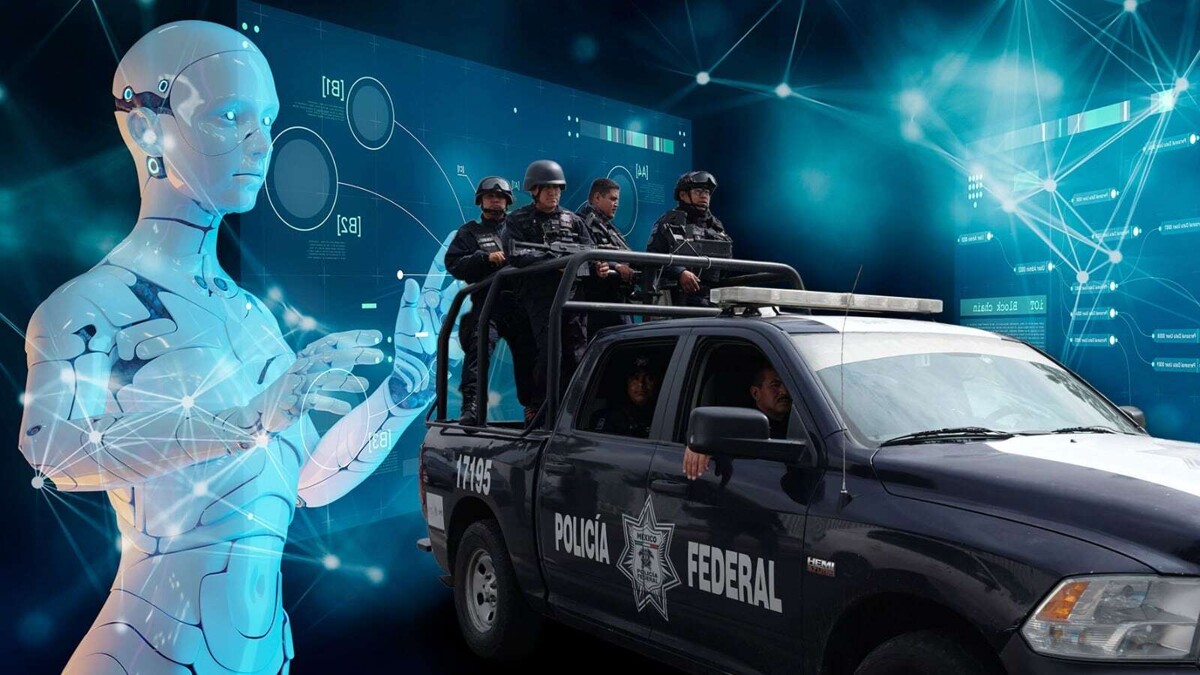
In today's world, where data is the key strategic input, countries with structural lag, such as Mexico, face a historic dilemma: either use this technological tool as a shortcut to close gaps, or fall even further behind nations capable of processing information, anticipating risks, and acting with greater force, skill, and timeliness. Mexico is not short on institutions, but their work is not done in an integrated manner. This is where artificial intelligence can make a difference: identifying hidden patterns, prioritizing objectives, anticipating outbreaks of violence, and striking the logistical and financial structures of crime. For this to happen, the Mexican State must first resolve its own internal problems. The first bottleneck is institutional. Information is scattered, competencies overlap, and intelligence is rarely translated into coordinated action. The second organizational bottleneck is the failure to execute information effectively. Even when information exists, the State fails to act on it consistently. The third bottleneck is political. Police and prosecutors operate with unequal capabilities, non-standardized processes, and weak human capital management. Overcoming this obstacle requires clear decisions from the Presidency: obliging data interoperability between agencies, establishing functional commands by type of crime, and conditioning federal resources on compliance with certain performance and information standards. The priority here is to professionalize mid-level command, standardize critical protocols, and create hybrid units where analysts and operators work together. AI is not just a tool; it is a paradigm shift that allows weak states to become smarter, faster, and potentially more effective. The conditions, both internal and external, are unusually favorable. Each year without transformation means thousands of truncated lives, captured territories, and disrupted local economies. Combating them with traditional, fragmented, and reactive tools is insufficient.