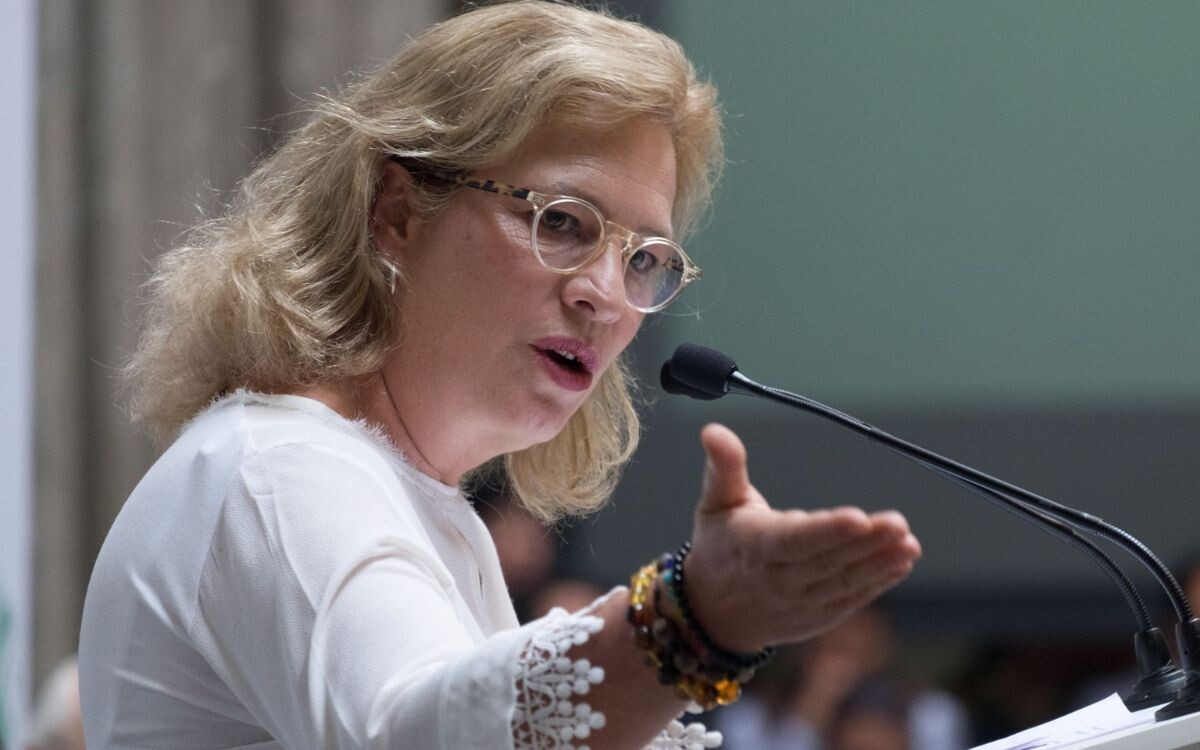
Former Mexican Ambassador to the United Kingdom, Josefa González-Blanco Ortiz-Mena, denounced a supposed corruption network and embezzlement of public funds involving various diplomats, which she claims was ignored by the Secretariat of Foreign Affairs (SRE) and then-head Juan Ramón de la Fuente. In February 2026, the then-Mexican Ambassador to the UK presented an Administrative Act of Delivery-Reception and an incident report detailing a series of alleged financial, administrative, and operational irregularities attributed mainly to the former Administrative Attaché of the Mexican Foreign Service, Érika Pardo Rodríguez. Aristegui Noticias has access to these documents containing multiple accusations of fraud and omissions by the SRE. Joséfa González-Blanco served as Ambassador to the UK from March 2021 until January 26, 2026, when she was replaced by the former Attorney General of the Republic, Alejandro Gertz Manero. According to her own report, the former ambassador made her first complaints to the authorities of the Secretariat of Foreign Affairs in December 2024, for which she requested an audit from the Internal Control Body via email on January 15, 2025, a request reiterated in another email on January 21 of the same year. In her document, González-Blanco names Érika Pardo Rodríguez, former Administrative Attaché, as the main operator of the resource diversion scheme, allegedly operating a 'fiefdom' in collusion with ambassadors David Nájera, Aureny Aguirre, and Aníbal Gómez Toledo. According to the report presented by González-Blanco to the Chancellery, a supposed scheme of contract simulation to divert public resources through a 'ghost' cleaning company named 'Easy Steps Cleaning Service LTD' was detected at the Embassy in London. The document details that the original contract with this entity was signed in January 2021 by then-Charge d'Affaires, Aureny Aguirre O. Sunza. The former ambassador affirms that payments destined for this company, which amounted to approximately £140,950 (around 4 million pesos), were transferred using bank codes corresponding to personal accounts in the name of Érika Pardo Rodríguez and her daughter. 'The official allegedly simulated, in one of the identified cases, payments for cleaning services to a ghost company, channeling approximately four million pesos to multiple personal accounts in her name and her daughter's, through an initial contract with the supposed company signed by then-Charge d'Affaires, Ambassador Aureny Aguirre O. Sunza,' states the former diplomat's report. The report details that when simulating a transfer to the bank details printed on the billing invoices and placing 'Easy Steps LTD.' or its variations as the beneficiary name, the banking system would issue a security alert indicating the beneficiary name did not match. However, when entering the code and account number but using as the beneficiary name the name of Érika Pardo Rodríguez, the bank system would validate the information. A document that Josefa González-Blanco presents as part of the evidence to point out alleged acts of corruption. The report also accuses Pardo of digitally altering utility bills; as evidence, a British Gas bill from November 2024 is documented, whose original amount of £26.37 would have been modified to £2,026.37, with the difference allegedly being deposited into an account in the name of the former official. Additionally, the report presented by González-Blanco denounces that the Administrative Attaché would have committed identity theft of other diplomats to commit the financial illicit acts. Specifically, it accuses the improper use of the account, electronic signature, and bank token of Ambassador Aníbal Gómez Toledo—who left the post in London in 2019—to authorize public fund transactions until the end of 2024. González-Blanco affirms that she reported these and other possible cases of corruption, leading to an investigation by the Internal Control Body that would involve Erika Pardo along with other diplomats: First Secretary Octavio Perales Sánchez, Aureny Aguirre, as well as ambassadors David Nájera and Aníbal Gómez. In her writing, she also details that, despite issuing more than forty official communications and making two trips to Mexico City to warn about the crimes and request the transfer of Pardo, then-Chancellor Juan Ramón de la Fuente denied her an audience on three occasions and the department did not implement precautionary measures to separate the official from her post. For the above, González-Blanco considers in her writing that the former chancellor tolerated the allegedly illicit activities and was 'overcome by the power of these characters within the Secretariat, whom he ends up, by action or omission, covering for.' Part of the narrative made by Josefa González-Blanco in her report. According to González-Blanco's narrative, after intensifying administrative supervision at the end of 2024 due to the findings mentioned, Érika Pardo filed a complaint for supposed labor harassment against her. In response to this complaint, the Ethics Committee of the Secretariat of Foreign Relations (SRE) granted protection measures to Pardo. The former ambassador maintains that this measure tied her hands, preventing her from exercising control functions and allowing the Attaché to maintain autonomy and control over the embassy's finances during the first eight months of 2025. According to the former ambassador, after being denounced, the diplomats she accused would have begun a media persecution against her. Prior to her departure from the SRE, Josefa González-Blanco summed up 16 complaints for labor harassment, according to a note published in El País. The complaints documented by the Spanish newspaper indicate that the supposed harassments led to multiple resignations of personnel that began in December 2022, just three months after the former diplomat assumed the post. In the document, González-Blanco says that El País published 'distorted information linked to the former Administrative Attaché [Érika Pardo] and the official from the SEM [Octavio Perales]', but journalist Beatriz Guillén responded that some of the accusations and resignations for supposed labor harassment included in her note were prior to the corruption complaints made by Josefa González-Blanco against Pardo.