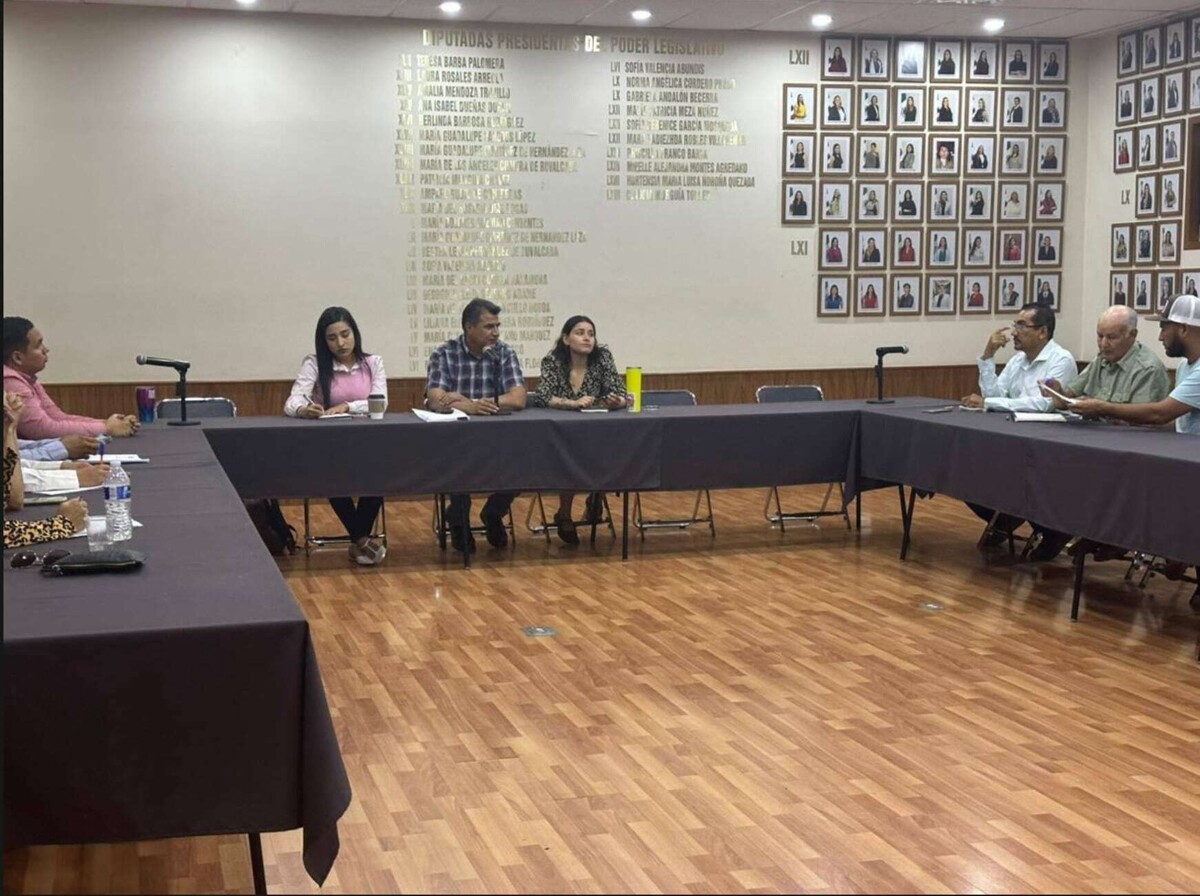
Residents of the municipality of Bolaños, Jalisco, have expressed growing discontent following the approval of a bill that promotes a change in the electoral regime to customs and traditions in indigenous communities, endorsed by the State Congress. Dissatisfied individuals point out that the process, derived from a consultation conducted in 2025 by the Institute of Electoral and Citizen Participation, was carried out in an opaque, hasty manner without broad dialogue with the population. They cite a lack of dialogue and decisions 'made from the desk.' Citizens have directly accused local legislators of approving the bill in a Special Commission without sufficient consultation and without properly informing the community. The main issue is that, after the approval, the deputies have not come to the municipality to explain the scope of the measure, which they consider a dereliction of duty. Through their spokesperson, Maribel Luján, the residents stated that they do not oppose the rights of indigenous communities, but rather the way in which the decision was made. A working meeting ended without agreements and was postponed. Dissatisfaction increased after a working meeting at the Congress of Jalisco, which was attended by Deputy Leonardo Almaguer. According to attendees, the meeting did not yield solutions or clear positions, and the topic was postponed to a future session, which increased discontent. Furthermore, they denounced that they were summoned to Guadalajara without obtaining concrete results. Doubts about the implementation of the model persist. During the meeting, Deputy Miguel de la Rosa informed that the process will continue despite the challenges, although he acknowledged that there is still no clarity on the election method under the new regime. This situation has generated uncertainty among the population, who question how the model will be applied in future electoral processes. Key doubts include: whether the change will apply only for 2027 or permanently, what role the Electoral Institute will play, and how the new election mechanism will be defined. A call for dialogue and increasing social pressure. In contrast, Deputy Valeria Ávila proposed opening spaces for dialogue without confrontation; however, citizens believe the discussion should have taken place before the bill was approved. Social pressure has been increasing in recent days, to the point that the State Congress resumed activities on April 6, even during a holiday period, due to public demands. The discontent is spreading to local sectors. The rejection is not isolated. Local actors such as the Mestizo Collective, former municipal authorities, and representatives of the livestock sector have expressed concern over the lack of information and the exclusion of various sectors in the decision-making process. They agree that the decree generates confusion and distrust among the population. The residents reiterated that their stance is not confrontational, but a civic demand. They demand that the deputies go to Bolaños, show their faces, and directly explain to the people the scope of the electoral system change.