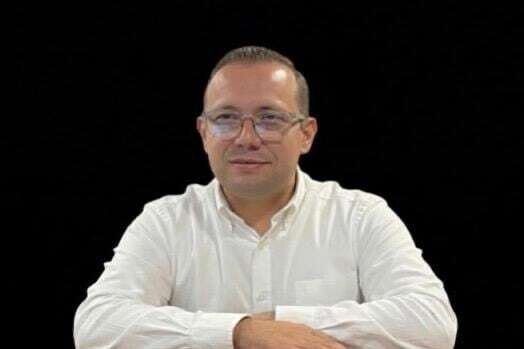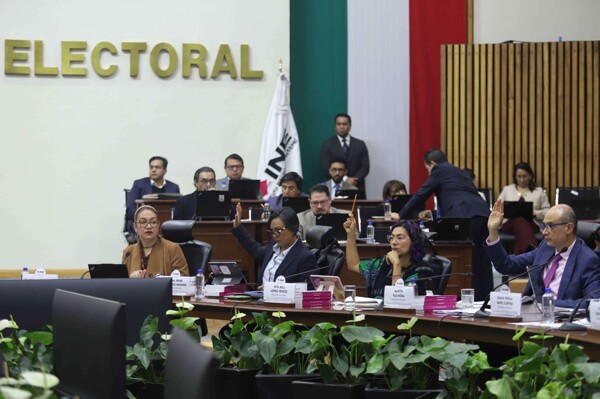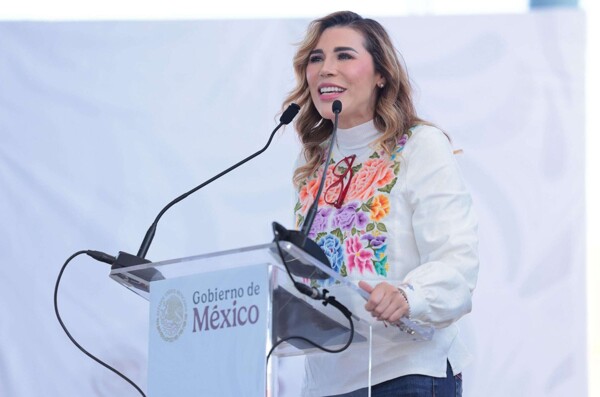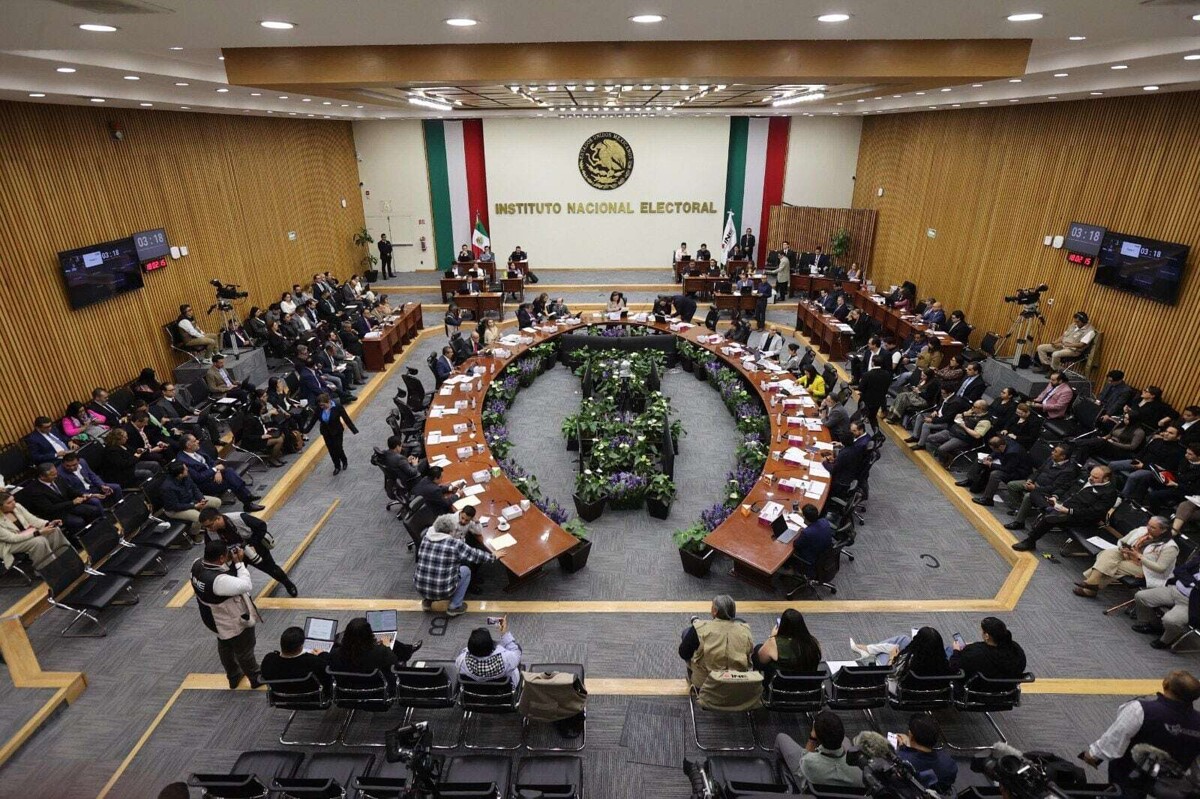
Mexican diplomacy is preparing for the possible ratification of Roberto Velasco as the new foreign minister this week in the Senate. The Mexican Diplomatic Service Association has already congratulated him, reaffirming its «disposition to strengthen foreign policy». However, the discussion may take place with an incomplete quorum following the departure of counselors Dania Ravel, Claudia Zavala, and Jaime Rivera, who previously criticized the parties' processes for selecting candidates. This could hinder Castillo's proposal if the majority, loyal to the president of the INE, Guadalupe Taddei, decides to impose its will. Meanwhile, in Jalisco, politicians from the Citizen Movement, such as Governor Pablo Lemus and the mayors of Guadalajara and Zapopan, are sponsoring a congress on masculinity with clear religious overtones called the Fearless Congress. It will feature Eduardo Verástegui, who is controversial for his stance against the rights of the LGBTQ+ community and abortion. This decision has sparked criticism on social networks, where citizens argue that officials should allocate public resources to other pressing needs of the population, not to such initiatives. In addition to his extensive experience in diplomatic relations with the United States and Canada, the designated Foreign Minister Roberto Velasco Alvarez highlights two noteworthy facts. He is the first foreign minister in recent times to have worked uninterruptedly for seven years and four months within the Secretariat of Foreign Relations. There is also hope that he will be able to secure a salary increase for ambassadors and consuls, as previous promises have remained without concrete action. Catholics from the PRI and PAN in San Lázaro lamented the upcoming Easter week «without renewal or joy,» as its meaning suggests. Today, the General Council of the INE will discuss the request of Counselor Arturo Castillo to issue guidelines to curb pre-campaign activities due to the evident rush of parties to choose their candidates for the 2027 election. This is a good hand for the person who will undoubtedly be ratified for the position by the Senate of the Republic. Notably silent was Senator Celeste Ascencio, president of the Human Rights Commission, who did not comment on the report of the UN Committee on Enforced Disappearances. She complained that in three days — Tuesday, Wednesday, and Thursday — they will «hastily and in the usual '4T' style» approve reforms to the Federal Labor Law and the Federal Law on Copyright and Industrial Property. «And you already know our vote,» warned PRI member Rubén Moreira. Furthermore, they will also approve the president's electoral plan B. All in a «holy package».