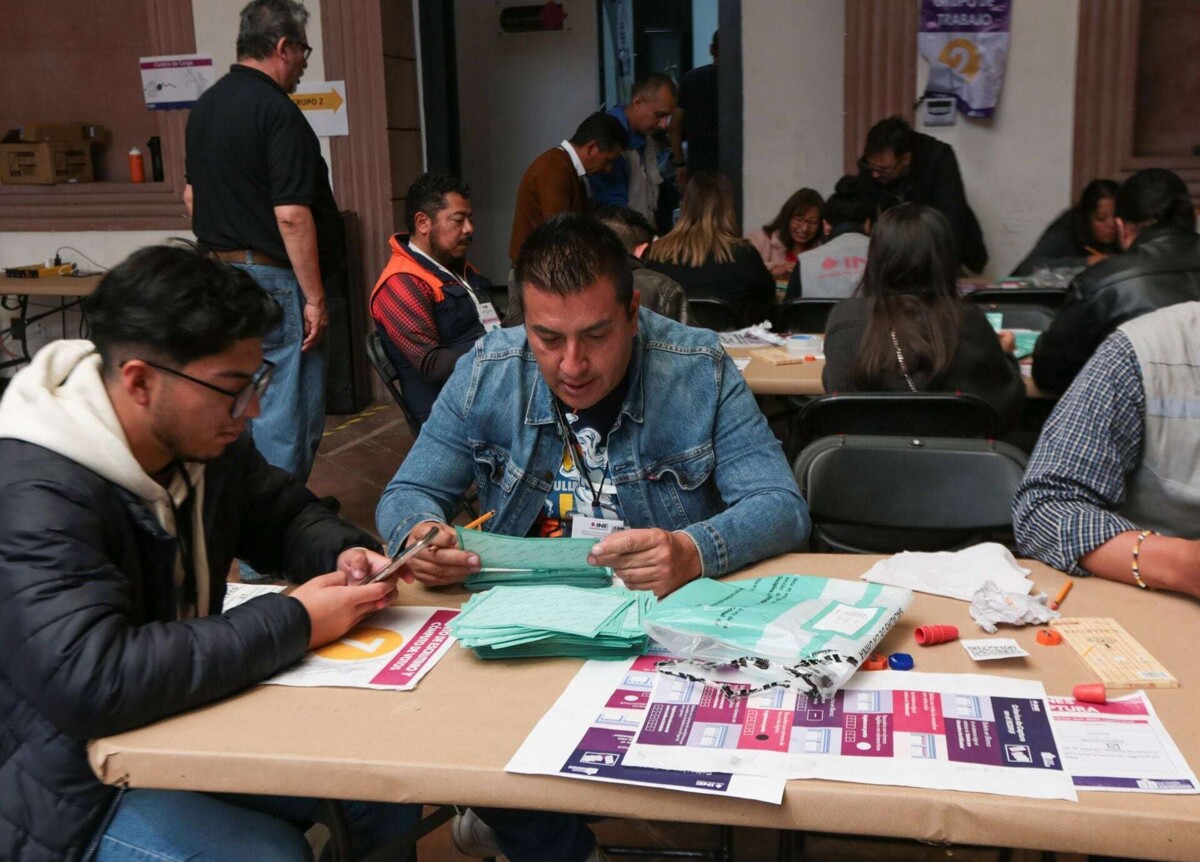
The report's message is as clear as it is forceful: without justice, there is no democracy, and without judicial independence, there can be no justice. It is necessary to learn from this first experience to build a model of judicial elections that strengthens, rather than undermines, impartiality and public confidence in those responsible for guaranteeing people's rights. The existing rules were insufficient to prevent the participation of political actors with direct ties to candidates. The document constitutes an independent and deeply documented exercise that goes beyond simply recording what happened, formulating a set of recommendations aimed at mitigating the risks of co-opting judicial positions by political, partisan, economic, and even criminal interests. The recommendations are based on a precise diagnosis: the candidate selection process lacked uniform standards, effective transparency mechanisms, and technical filters to ensure the suitability of those aspiring to hold judicial office. Among other measures, it is proposed to standardize at the national level the minimum criteria for merit, experience, and independent technical evaluation, as well as to guarantee full publicity for each stage of the procedure, from the call to the justification for the selection or rejection of each candidate. It is suggested that only in this way can we move from a model where political sympathy replaces merit to one where professional quality is the guiding criterion. Citizen participation, a cornerstone of any democracy, also occupies a prominent place among the proposals. The magnitude of the so-called judicial reform placed Mexico on uncharted territory; no other nation had taken the principle of the vote so far as a mechanism for integrating its judicial bodies. The June 2025 elections left more questions than certainties and a whiff of improvisation based on ideological whims that continues to affect confidence and diminish the arrival of quality, long-term investment.