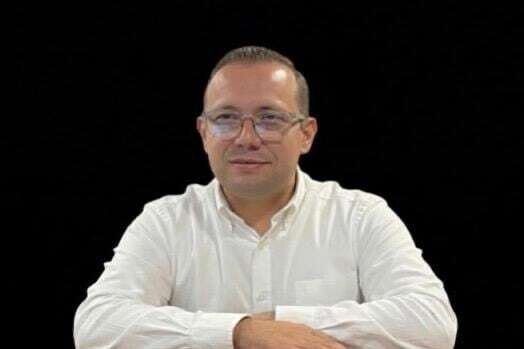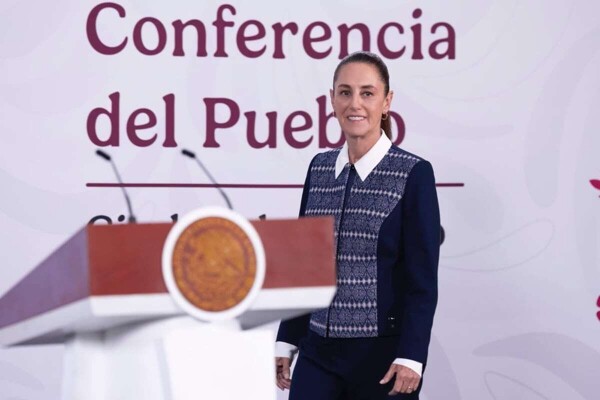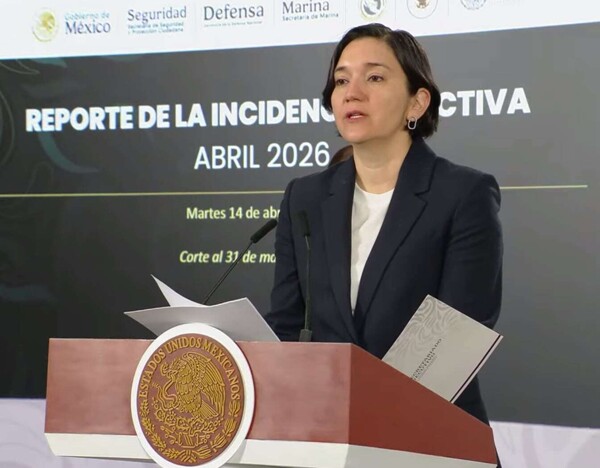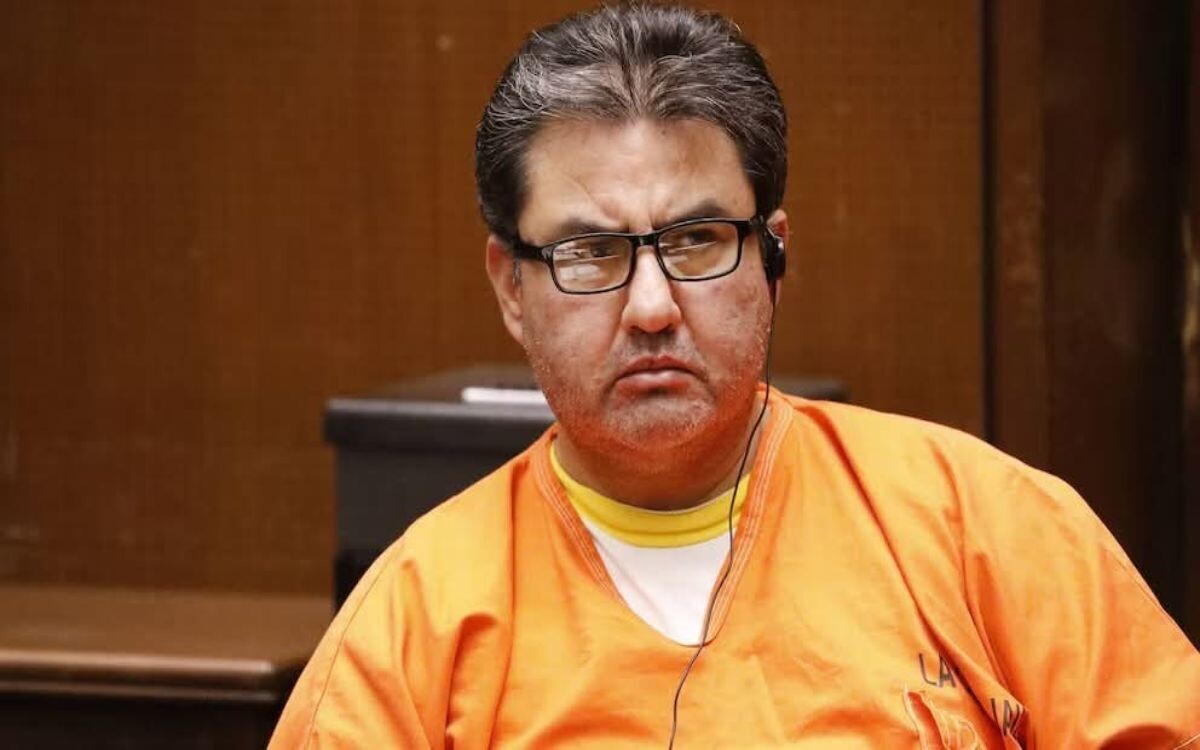
Victims and survivors of the Light of the World Church denounced a "cover-up" after the Attorney General's Office (FGR) determined that the behaviors investigated in the case open since 2019 did not constitute human trafficking. They decided to appeal the decision. According to the position of Sóchil Martin, Sharim Guzmán, and the video message from Ada Camarena, the decision to not exercise criminal action for human trafficking and organized crime was made because the federal Public Ministry considered that the reported facts did not legally fit the penal type. The victims maintain that this resolution was not publicly communicated in its entirety by the authorities but was discovered through reviewing the file, which motivated their appeal to the Federal Judiciary. The complainants state that the investigation began with testimonies from people who managed to leave the religious organization, who recounted alleged schemes of internal control, coercion, psychological manipulation, as well as sexual abuse and exploitation, particularly towards minors and young people in the congregation. They point out that these testimonies were integrated into the investigation file and sustained for several years as part of the prosecutorial analysis. The victims affirmed that the decision was made public weeks after the arrival of Ernestina Godoya at the head of the FGR, which they consider relevant in the context of the change in institutional leadership regarding the case. Ada Camarena questioned the Attorney General's criteria, pointing out a contradiction in the prosecutorial determination. The Attorney General's Office maintains that there is no crime, but at the same time describes behaviors that could be one. She added that this type of legal construction has significant effects, as it does not necessarily imply a denial of the reported facts, but their exclusion from the penal type under which they were investigated for seven years. "You cannot say there are facts that could constitute a crime and at the same time conclude that they do not fit any category," she stated, saying that this interpretation leaves no continuity to the line of investigation for organized crime and human trafficking. Sóchil Martin and Sharim Guzmán, also survivors of the organization, affirmed that their testimonies were fundamental to documenting the internal functioning of the church. They also stated that part of their statements was used as a reference in judicial processes in the United States against the organization's leader, Naasón Joaquín García, who was convicted in that country to 16 years and 8 months in prison after pleading guilty to sexual crimes against minors. In the complaint filed in Mexico, they exposed the existence of a network of alleged "human trafficking, sexual exploitation, and child pornography," which, according to their statement, "continues to operate in Mexico with impunity." The position adds that this network is also being investigated in New York for alleged organized crime. The victims also maintain that the case should not be understood as isolated facts, but as the possible existence of a systematic exploitation structure that would have operated for years. According to their version, this network would include crimes such as human trafficking, sexual abuse, money laundering, and other illicit activities, sustained through internal control mechanisms, religious indoctrination, closed hierarchies, and alleged protection from external actors. The Attorney General's Office intends to close the matter, leave the leaders of LLDM in impunity, and allow them to continue trafficking people, many of them minors, and laundering money in Mexico. Among the allegations included in the complaint, the victims mentioned various people linked politically and religiously to the organization. Among them, they mentioned the former senator for the PVEM, Israel Zamora; the religious leaders, bishops within the Light of the World, Rogelio Zamora Barradas and Nicolás Menchaca; and from Morena, former senator Emmanuel Reyes Carmona and former deputy Hamlet García Almaguer, attributing them different levels of participation, closeness, or relationship with the structure indicated in the investigation. The complainants insisted that these allegations are part of the material delivered to the prosecutorial authority. They also recalled that the Financial Intelligence Unit (UIF) blocked in 2020 six bank accounts related to the religious organization for an amount exceeding 300 million pesos, as part of investigations for alleged money laundering. This precedent, they maintain, is relevant within the context of the file, although they consider it was not sufficiently valued in the final determination of the Attorney General. Likewise, they pointed out that in 2025, 38 people identified as members of the group known as "Yaser," described by the complainants as an internal guard of the religious organization, were detained in Vista Hermosa, Michoacán. According to their statements, this group would have operated in the state of Michoacán in areas with the presence of the Jalisco New Generation Cartel (CJNG) and would have received paramilitary training, which they consider an additional element within the context of organized crime they have presented since the beginning of the investigation. The victims maintain that, despite the existence of these elements, the Attorney General's Office decided to close the investigation under the argument that the facts do not fit the crimes of human trafficking and organized crime, which led to the appeal of the so-called "cover-up." Therefore, Sóchil Martin, Sharim Guzmán, and Ada Camarena appealed the FGR's decision, and the case will be reviewed by a federal control judge, Juan José Rodríguez Velarde, in a hearing scheduled for April 16, 2026, at the Federal Criminal Justice Center of the Puente Grande Penitentiary Complex in Jalisco. In that proceeding, the judge must determine if the Public Ministry's resolution is maintained or if the file must be reopened to continue the investigation. Finally, the victims indicated that this judicial stage will be key within the process, not only for the immediate future of the case, but because it represents a review of a prosecutorial determination that, in their view, left without comprehensive analysis multiple pieces of evidence.