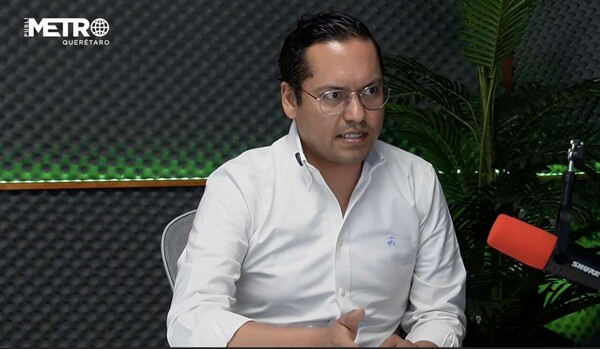
The main challenges for the approval of the Mobility Law in Querétaro are to address the underlying structural problems. Therefore, this legislation must promote public transport and reduce the use of vehicles, stated Enrique Correa, president of the Mobility Commission.
He approved the formation of joint commissions to draft the bill, as well as the appointment of MORENA deputy Arturo Maximiliano García as president to continue this pending work.
"I always hope that this mobility law is passed in the terms it should be, because that is the part we have been fighting for for over two years: to have a mobility law that gets to the root of the problem," he warned.
Among the main obstacles seen are the lack of incentives to leave the car and the high level of car ownership, as well as the city's dispersed structure, which implies infrastructure needs, in addition to population growth.
Similarly, he warned that one should not just replicate the model of the general law, as it was reduced to "good intentions" but lacked a budget and tools. Even more than three years after its approval, federal highways and public spaces have not changed, nor has anything been transformed in terms of culture and policies.
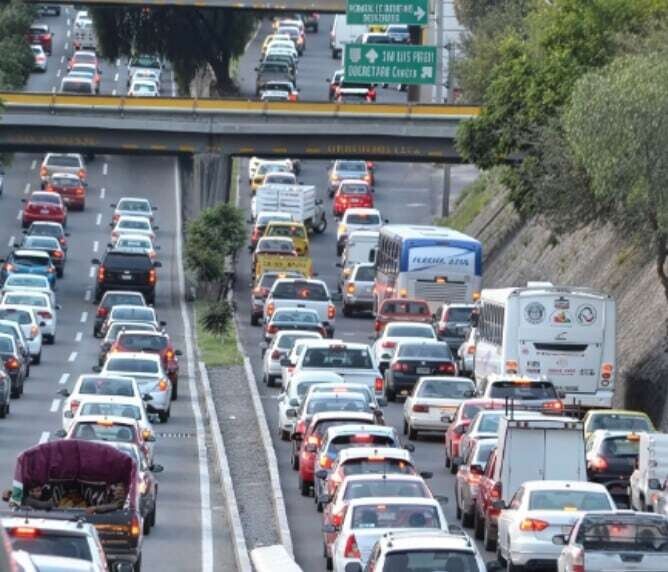
"In Querétaro, we face very important challenges in terms of mobility. We have one of the metropolitan areas with the highest number of vehicles per capita in the country, one of the cities with the lowest occupancy of private vehicles, and significant congestion during peak hours. So there are many issues to address in this law that go to the heart of the matter," he said.
He added that if the change in leadership of these works contributes to "unblocking" the law, he will be happy with the result, as much work has been done in listening and feedback with citizens, organizations, and collectives.
"I believe in the cause of mobility, it is a topic and an agenda that I have been working on for many years," he stated, and recounted that there have been great advances in the area, such as improvements in public transport or the creation of the Mobility Agency. He also appealed for this law not to be partisan, but to work to concretize the best possible mobility law.