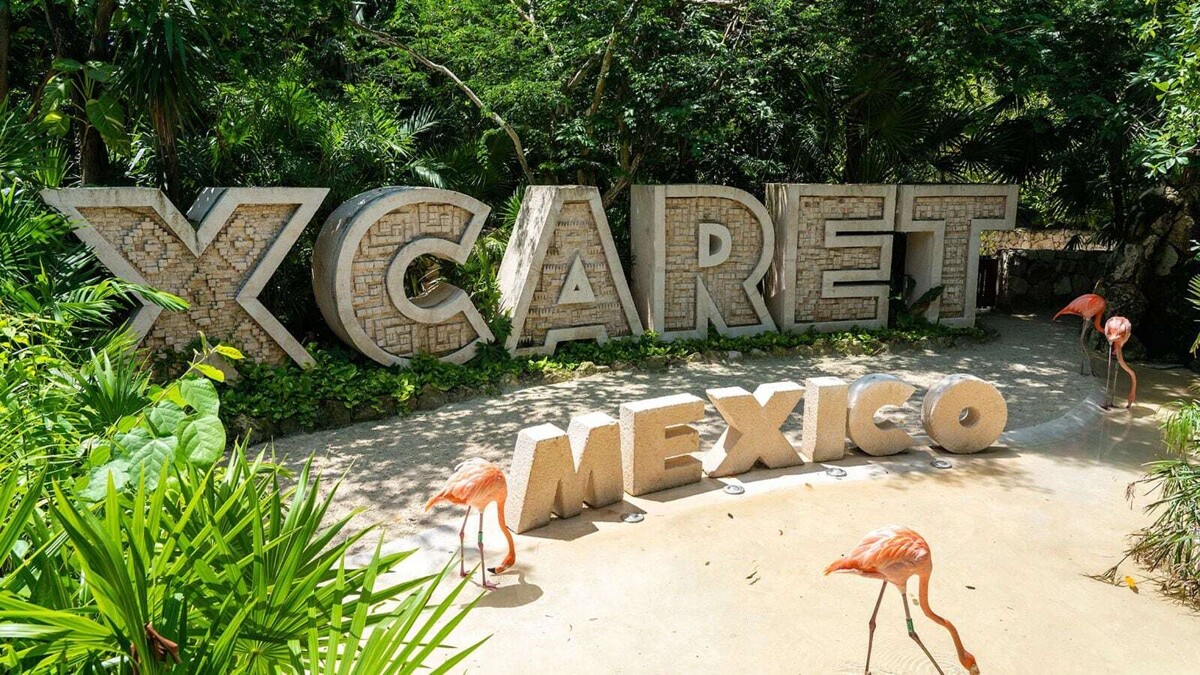
The recent ruling by the Court in the Xcaret case again highlights the major contradictions and shortcomings in the system for protecting the intangible cultural heritage of indigenous peoples and communities. The case before the Court stems from a complaint filed with the National Copyright Institute by those who claim to be the true Great Council of the Maya of Quintana Roo, regarding the unauthorized use of Maya symbolism in the well-known Grupo Xcaret amusement park, its advertising, and its website. The ruling revokes the suspension the company had, which allowed it to continue using these elements that have been characteristic of the image with which the company has grown historically for over three decades. This type of commercial use across the Yucatán Peninsula with Maya culture is not circumstantial; we know that more than 80% of the brands of companies in the region use words and symbolism from this culture. The issue is complicated by a controversial prior authorization that another group of 'community representatives' allegedly granted to Grupo Xcaret (for a payment of 15 million pesos), which has been disregarded within the legal procedures followed under the regulations of the new cultural heritage protection law, in effect since January 2022. In this context, the case has become the most visible, as it allows for establishing criteria that can be applied to specific cases. The core of the issue reveals one of the biggest problems faced when obtaining authorizations from indigenous peoples and communities, which is the lack of certainty on who represents them, on what agreements are reached, and who benefits from them. To these factors of uncertainty, we must add the lack of functionality of the registry of traditional cultural expressions that the National Institute of Indigenous Peoples must manage. Under these conditions, potential users of the intellectual property rights of indigenous communities are adopting a position of avoiding projects that use designs and products of this origin, due to the lack of certainty in their contracting. It is clear that many analysts and defenders of the culture of peoples and communities see the Court's ruling in the Xcaret case as a victory for the movement, which not only recognizes long-denied rights to its holders but also vindicates the principles of indigenism from the most profound reflection on the essence of its vision, forms, and collective understanding of its culture. However, if we think of many indigenous peoples and communities as nations within another nation (Mexico), the contradiction seems irreconcilable in the sense of not being able to connect two complex and conflicting legal systems, where the result seems to lead us to the 'cultural expropriation' that our country conceived for years as contrary to the idea of a shared destiny. In the end, the 'customs and traditions' of each community breed a seed of autonomy that leads to segregation. What is most surprising is that this is the explicit objective of a law that was born to deny, to prohibit, and possibly to marginalize.