«Those who meet their payments should not have to bear that cost,” he stated. He added that legal actions have also been initiated against those who carry out clandestine connections, although he acknowledged that it is a global problem that requires constant technical work for its detection and reduction.
Puebla, below in water supply
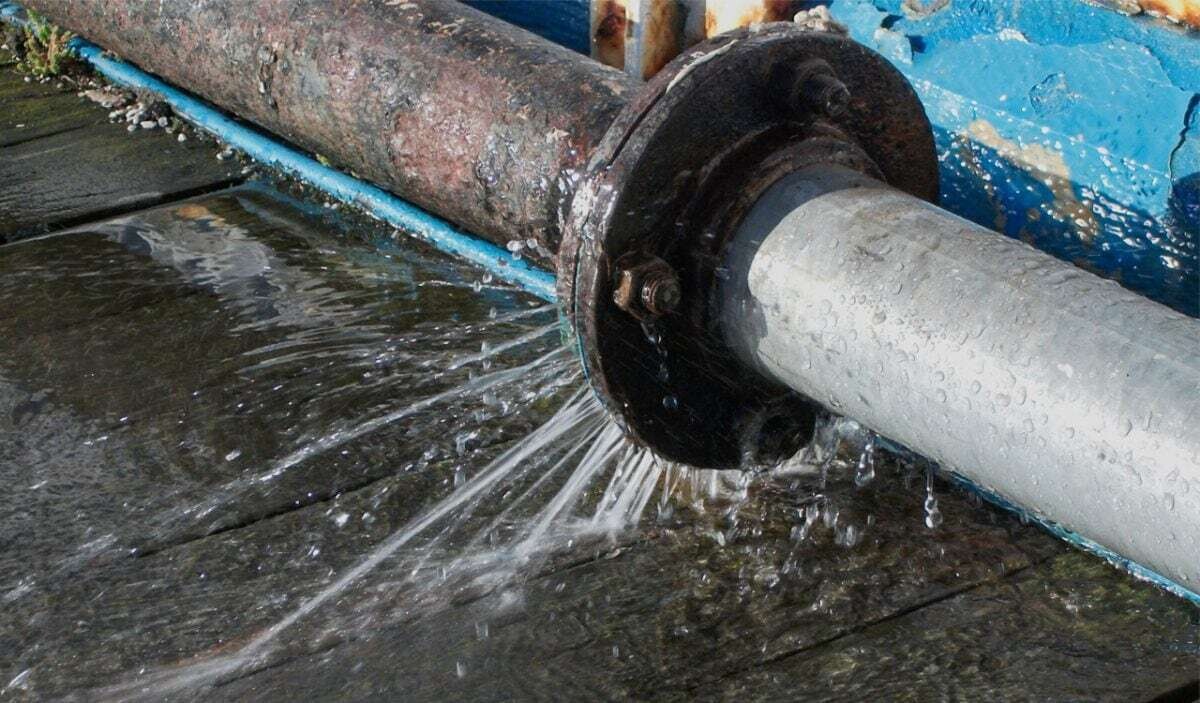
In the same session, the director of the Puebla Potable Water and Sewerage System Operator (SOAPAP), Josefina Morales Guerrero, acknowledged that the entity presents low supply levels compared to other states such as Campeche. She detailed that currently 138 liters per second per inhabitant are supplied, below the 191 liters considered adequate. Of that total, 20% corresponds to clandestine connections — the so-called “water huachicol”— and another 21% to commercial losses, admitted the director of the concessionaire Agua de Puebla, Jordi Bosch Bragado.
During his appearance before the State Congress, the businessman admitted the deficiencies in the service, but assured that the indicators will improve after these accountability exercises. More than 40% of the water produced in Puebla is lost before reaching homes. This situation, he explained, forces a rethink of the distribution of wells, as several have lost their original capacity.
Million-dollar investment with delays
Regarding the questioning of unexercised resources, the director of Agua de Puebla defended that there is verifiable investment, although he acknowledged administrative delays in the verification of some expenses. Between 2022 and 2024, the approved investment plan was 2,113 million pesos. However, only 1,803.4 million were exercised, leaving a deficit of 309.6 million pesos. For 2025, the investment target was 252.2 million pesos, but only 114.3 million were exercised, part of which lacks a complete file. In total, from 2022 to date, the concessionaire has accumulated a lag of 447.5 million pesos compared to what was committed to the system operator.
He pointed out that his strategy prioritizes low-income colonies located on the periphery, where the supply is more irregular. Bosch Bragado explained that to combat leaks and illegal connections, the company allocates 3% of its income to the acquisition of materials such as polyethylene and ductile iron, an investment that he described as costly but necessary. “The diversion of water from pipes without control is water that is not paid for.”