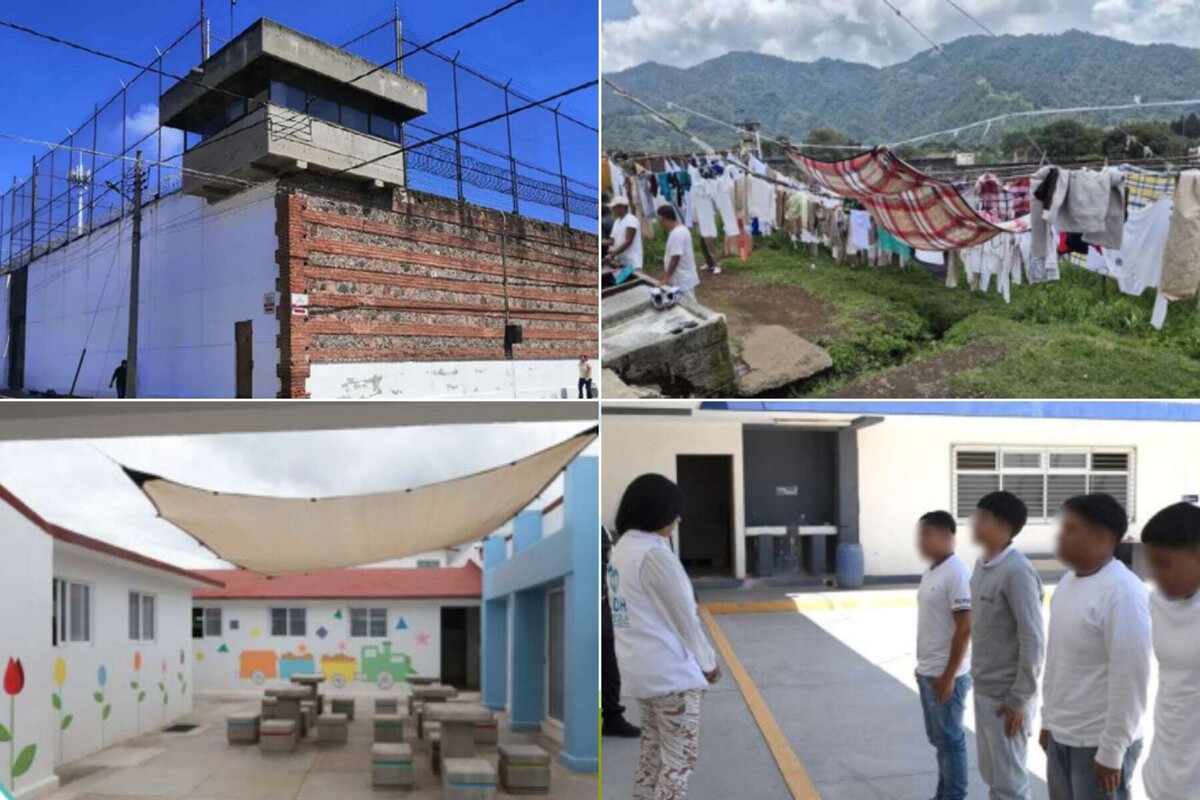
The Puebla Human Rights Commission (CDH) presented the 2025 State Diagnosis of Penitentiary Supervision, which revealed structural deficiencies in the state's prisons, mainly in mental health care, infrastructure conditions, and treatment of Deprived of Liberty Persons (PPL). The state penitentiary system obtained an average score of 6.7, resulting from evaluations of hygiene, medical services, material conditions, and inmates' perception. One of the most alarming findings is the insufficient attention to people with psychiatric disorders. Although it has reduced overcrowding through expansions and transfers, it still faces significant challenges: insufficient medical care, lack of medicines, deficient hygiene conditions, and deterioration in some areas with visible damage to infrastructure. Additionally, the CDH emphasized the need to strengthen care for vulnerable people, especially those with mental health problems. Among the best-rated centers, the prison in Tlatlauquitepec stands out with 8.8 points, where adequate conditions, access to education, and useful work for reintegration are reported, as well as sufficient medical care and absence of violence. The Specialized Internment Center for Adolescents (Ciepa) also stands out with 8.6 points, which has specialized psychological care, comprehensive reintegration programs, and dignified conditions for minors. The diagnosis concludes that although there are advances in infrastructure and reduction of overcrowding, structural challenges persist in mental health, dignified treatment, and living conditions, so the CDH called for reinforcing public policies in penitentiary matters. The organism emphasized the need to guarantee adequate conditions that allow for effective social reintegration with respect for human rights. It was also indicated the lack of privacy when communicating with their defender. The prison in Zacapoaxtla (6.7) has reduced dormitories but they are clean and tidy; however, the shower area shows considerable deterioration. Labor dissatisfaction was registered in maquila areas, indicating that the responsible company does not grant proportional remuneration for the hours actually worked. Deficiencies in health services and lack of clarity in the classification of inmates were also reported. The prison of San Miguel, in the city of Puebla, obtained 6.8 points. During the inspection, a critical overcrowding was detected, housing 447 inmates in a space designed for 226. Although inmates reported access to educational and medical services, they also pointed out: Disrespectful treatment by staff Prolonged disciplinary sanctions Recurrent cases of discrimination Negative perception about the usefulness of work for their reintegration Deficiencies in the Sierra Norte In the prison of Huauchinango (6.7 points), the CDH detected deterioration in infrastructure, hygiene problems, lack of medicines, and insufficient medical attention, in addition to complaints about sanctions exceeding 15 days and discrimination. The responses concerning treatment by technical staff revealed critical evaluations, indicating a general climate of discontent. The CDH documented that: 88% of penitentiary centers do not have sufficient psychiatric staff There are no suitable spaces for specialized care In many cases, inmates must be transferred to external institutions to receive treatment Despite this, the organization recognized advances in the reduction of overcrowding in prisons such as Huejotzingo and Acatlán de Osorio, thanks to actions of expansion and improvement of infrastructure. Prisons with delays and overcrowding Among the centers with the lowest evaluations is the prison of San Pedro Cholula, with 6.0 points.