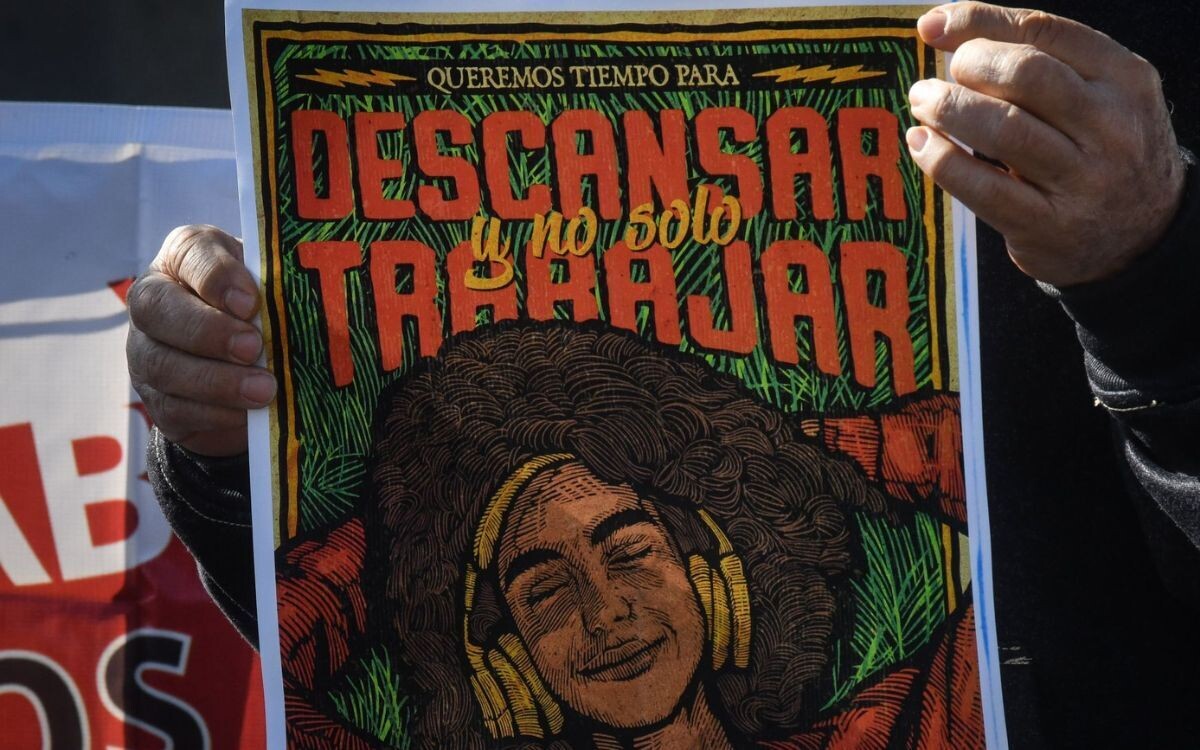
A constitutional reform in Mexico has taken effect, gradually reducing the workweek from 48 to 40 hours. This modification to Article 135 of the Constitution includes two mandatory rest days and increases legally permitted overtime hours. However, the National Front for the 40-Hour Week questions the real effectiveness of this measure. The organization argues that for it to be binding, it should have been stipulated in the constitutional text. The Front warns that employers have legal mechanisms to maintain existing work schedules. Regarding overtime, the National Front is skeptical about the real application of the 12-hour limit due to the power imbalance with employers and a lack of government oversight. According to data provided by the Secretariat of Labor to the collective, in 2025 there were only 600 inspectors to oversee 6 million companies nationwide. According to the fourth transitory article, the reduction in working hours will not result in a decrease in salaries or benefits for workers. In turn, the Congress of the Union has a 90-day deadline from the publication to make the corresponding adjustments to secondary legislation. The National Front believes the reform "favors exploiters" and accuses the Secretary of Labor and Social Welfare, Marath Bolaños, of half-truths regarding the actual scope of the new legislation. The Front also concludes that this guarantees impunity in favor of employers. An analysis by the Universidad Panamericana shared this Tuesday identified four main challenges, which it described as one of the "most significant structural changes for the labor market and the business environment." These include the increase in labor costs by reducing hours without modifying the salary; the need to expand the workforce to cover shifts and guarantee operations; pressure from a reduced financial margin that could promote the informalization of labor relations; and the reorganization of work with the risk of falling into labor intensification. In entities like Jalisco, inspectors lack punitive powers, while in Yucatán, a total absence of these officials has been reported. The Front also questions the work-life balance claimed by the Secretariat, pointing out that the reform omitted to include travel time on public transport as part of the workday, which they consider essential to achieve real worker well-being.