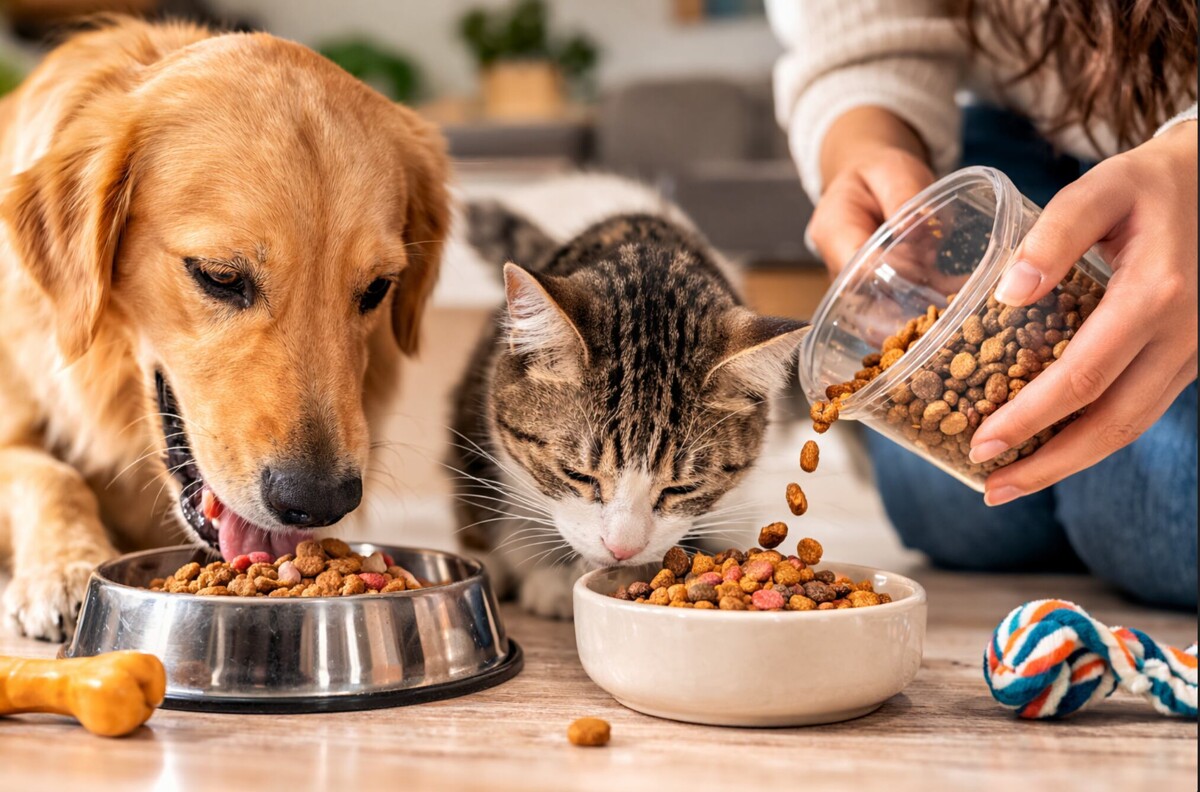
A proposal to eliminate the Value Added Tax (VAT) on pet food in Mexico has sparked a new legislative and social debate, raising questions about the role of companion animals in modern households and the economic impact of their care. The initiative, presented by PAN deputy Kenia Lucas Abadan to the Chamber of Deputies, suggests applying a 0% VAT rate to processed foods for dogs, cats, and other companion species, and also allows for the deduction of veterinary expenses from Income Tax (ISR). According to sector specialists, the growing cohabitation with companion animals reflects structural changes in Mexican society. Factors such as delayed family formation, rising housing costs, and labor conditions have altered traditional dynamics. In an interview with Publimetro, veterinarian Ernesto Ávila, president of Amascota (a section of the National Council of Balanced Food and Animal Nutrition Manufacturers, CONAFAB), explained that dogs and cats have ceased to be merely domestic animals to become active members of households. 'Today, the dog and the cat fulfill different roles in people's lives: they can be companions, emotional substitutes, or even a central part of the family dynamic,' stated Ernesto Ávila. The economic context is one of the main arguments behind the proposal. Recent cases, such as the elimination of VAT on feminine hygiene products, have set precedents in tax policy. However, questions remain about whether this measure could lead to similar requests from other sectors. Currently, the proposal is in the analysis and lobbying phase in the Chamber of Deputies. The sector seeks support from various political forces to avoid partisanship and to achieve its approval as a measure of general benefit. Although the legislative landscape presents challenges, the initiative's promoters state they will continue to push for its discussion in Congress. These products are currently taxed at a 16% VAT rate. Eliminating this tax would directly reduce household expenditures, which, according to the sector, could translate into immediate economic relief. A central point of the debate is the potential impact on public finances. According to sector estimates, the Mexican pet food market is around 55 billion pesos, with VAT revenue of approximately 8.5 billion pesos. However, experts believe the fiscal impact could be limited compared to total tax revenue, especially when considering the industry's potential growth and associated job creation. The initiative also opens the door to a broader discussion on the tax treatment of goods linked to social welfare. In Mexico, it is estimated that between 70% and 80% of households have at least one pet, representing a constant burden on family spending. Average monthly food expenses can range from 700 to 2,000 pesos, depending on the product type and animal size.