Prioritizing fresh, minimally processed, and local foods improves health and strengthens the family economy. Keys to choosing well: diversity of colors and food groups. Seasonality: consuming what is in season increases nutrients and lowers prices. Origin: foods grown nearby better preserve their quality. Home gardens: the most accessible option. A home garden allows you to grow vegetables, herbs, and fruits in a small space. With simple tools, local practices, and collective work, households and communities can ensure healthy, tasty, and affordable meals year-round.
How can you easily produce nutritious foods?
To maximize success, it is necessary to adapt methods according to the region. Examples of adaptation: in warm zones, partial shade and frequent watering; in temperate zones, protection from frost; in urban zones, using containers and rooftops.
Motivation and perseverance. Producing nutritious foods is a gradual process. Every garden, even a small one, contributes to a more just and resilient food system. A practical path to self-sufficiency. Producing nutritious foods is easy when knowledge, organization, and will are combined. With organization, food can be produced for several families, sharing tools and knowledge.
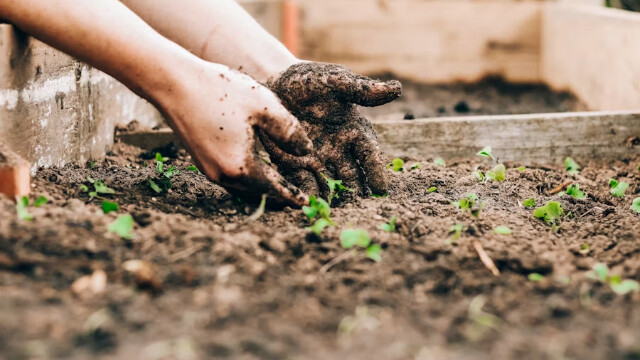
Key points: designing spaces with drainage and protection from extreme sun; implementing efficient irrigation to save water; establishing care schedules. Living soil: the secret to nutritional value. Soil is the foundation of production. Pots, recycled boxes, or raised beds work just as well as traditional ones if they receive sunlight, water, and living soil. Direct benefits: total control over inputs and quality; reduction of weekly expenses; food education for girls and boys.
What to plant to start: greens — spinach, chard, lettuce; herbs — cilantro, epazote, basil; fruits — cherry tomatoes, serrano chili, zucchini. Urban agriculture and backyard gardens. In neighborhoods and communities, urban agriculture uses rooftops, yards, and common areas. Simple cooking methods preserve nutrients and enhance flavor. Practical recommendations: prefer short cooking times; use spices and fresh herbs; combine foods to improve iron and protein absorption.
Practical table: actions and benefits. Simple action. Necessary resources. Nutritional benefit. Garden in pots. Seeds and soil. Fresh and vitamin-rich vegetables. Home compost. Organic waste. Fertile soil and more nutritious plants. Fermentation. Salt and jars. Improved digestion and probiotics. Backyard chickens. Space and feed. High-quality protein. Community exchange. Organization. Dietary variety.
Planning: consistent production. Planning prevents failures and ensures continuous harvests. Saving seeds from the harvest strengthens food autonomy. Main advantages: greater resilience to climate change; less dependence on external purchases; conservation of biodiversity.
Water: intelligent use and savings. Water is a valuable resource. Producing nutritious foods is not exclusive to the countryside and does not require large investments. Fewer impulse buys and greater consumption of home-cooked meals lead to sustained savings. Visible impacts: reduction of monthly expenses; less dependence on market prices; improvement in quality of life.
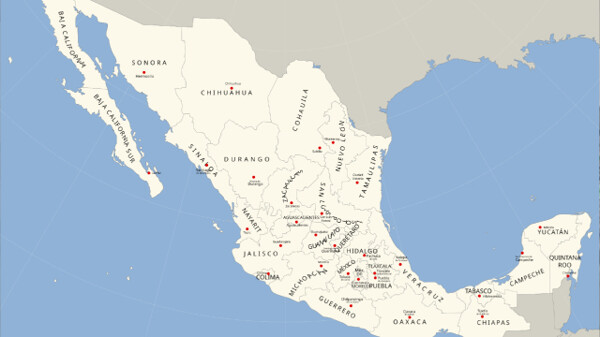
Adaptation to the Mexican context. Mexico offers diverse climates. Collective production reduces costs and strengthens social cohesion. Effective actions: seed banks; community work days; exchange of surpluses. Food education and conscious cooking. Knowing how to cook is as important as knowing how to sow. This text offers a clear path to achieving this, from the home garden to community organization, passing through simple techniques that maximize nutritional value and reduce costs.
The basis: understanding what a nutritious food is. A nutritious food provides vitamins, minerals, proteins, fiber, and energy in adequate proportions, without excess sugars, saturated fats, or sodium. There are natural and effective solutions. Practical alternatives: infusions of garlic and chili; diluted potassium soap; crop associations that repel insects.
Small-scale protein production. In addition to vegetables, it is possible to produce protein in a simple way. Viable options: backyard chickens for eggs; rabbits for their food efficiency; legumes like beans and lentils.
Fermentation and preservation: more nutrition, less waste. Fermentation increases the bioavailability of nutrients and prolongs the life of foods. Simple examples: fermented vegetables with salt; homemade yogurt; artisanal vinegar.
Community organization: producing more together. When several people organize themselves, the results multiply. Simple techniques allow producing more with less. Recommended practices: homemade drip irrigation with bottles; rainwater harvesting; early morning or evening watering to reduce evaporation.
Natural pest control. Avoiding chemicals protects health and the environment. Soil rich in organic matter improves nutrient absorption and strengthens plants against pests. How to easily improve it: compost with kitchen scraps; vermicomposting for small spaces; vegetative cover to retain moisture.
Creole seeds and local adaptation. Creole seeds are adapted to the local climate, require fewer inputs, and usually have better flavor and nutritional density. Celebrating small achievements maintains motivation and consolidates healthy habits. Keys to sustaining the project: start small; share experiences; adjust without frustration.
Impact on health and the environment. Consuming what is produced strengthens health, reduces the environmental footprint, and creates a more conscious relationship with food. A simple seasonal calendar optimizes results. Aspects to consider: crop rotation; staggered sowings; recording learnings.
Family economy and real savings. Producing food at home positively impacts the budget. In Mexico, with its climatic and cultural diversity, there are multiple practical, economic, and sustainable ways for families, collectives, and communities to generate healthy food with local resources.