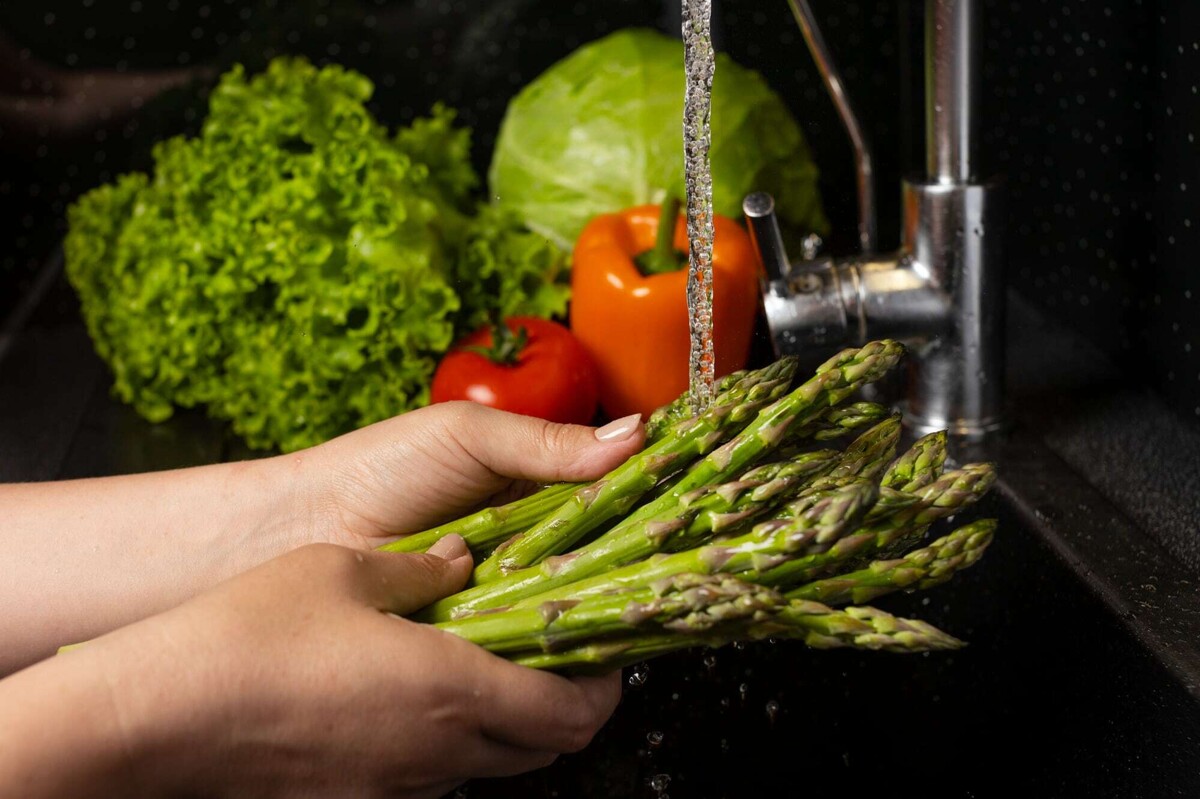
Out-of-season foods require artificial cultivation conditions: heated greenhouses, intensive irrigation, and prolonged cold chains that drive up water consumption. In Mexico, during spring and summer, tomato, zucchini, corn, chili, watermelon, and mango abound, all with a considerably smaller water footprint than imported or off-cycle products. Climacteric fruits — mango, banana, avocado — must be kept out of the cold until they reach their ripening point, and only then refrigerated to halt the process. However, achieving this requires sustainable measures that involve everyone. For this reason, indicators have been developed to help measure our impact on the natural resources we use daily for the production of goods, services, and human consumption. One of the most relevant is the water footprint (WF). Through this index, it is possible to know how much water is needed to produce a grain of rice, a cut of meat, or any other type of food product. In this way, consumers can understand the impact of their diet on the planet's degradation and, based on this, make better decisions at the table; decisions that not only help reduce climate change but can also improve health, as sustainable foods often have better nutrient indices and do not involve industrialized processes. The footprint of foods As expected, water is an essential input in agriculture and livestock: producing any type of food requires large volumes of this resource, especially in the case of ultra-processed foods, which are composed of multiple ingredients that go through chemical transformation chains. The products that demand the highest water consumption are those of bovine origin: a cow intended for meat production can represent up to 15,000 liters of water per kilogram of the final product. Even foods whose impact might seem marginal turn out to be the opposite. Prioritize the consumption of plants, fruits, and vegetables: It has been proven that this type of food generates the lowest water consumption, with around 322 liters per kilogram obtained. Grains and dry legumes should be stored in airtight containers and away from moisture. Get to know the footprint of each food The American organization Water Footprint Calculator (watercalculator.org) offers a free and interactive guide that allows you to know the water footprint of dozens of common foods. What is your Water Footprint? This calculator helps you estimate your total water usage. Store well to avoid waste: Not consuming your food in a timely manner and throwing it away is also a massive waste of water. For example, chocolate requires at least 2,000 liters of water to produce just 100 grams. Measures to reduce the impact It is important to note that all foods generate a water footprint, however small, so it is not about stigmatizing certain products, but about creating awareness of the weight of what we include in our diet. Reducing this impact is a shared effort: companies must invest in sustainable development, and consumers must opt for foods and diets that demand less water in their production. Below are some alternatives to reduce your water footprint: Throwing away a bag of lettuce means wasting the hundreds of liters it took to produce it. Leafy vegetables should be stored wrapped in absorbent paper in the refrigerator to extend their shelf life. Month after month, climate organizations insist on the same diagnosis: we are at a critical point to at least halt the degradation of the world's ecosystems. Discover it now...