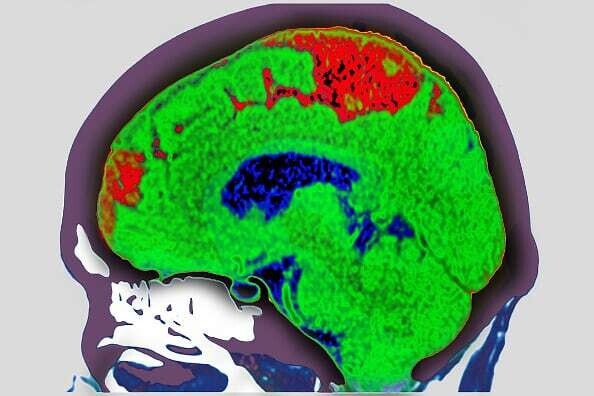
According to the World Health Organization (WHO), it is the second leading cause of death globally, with over 6.5 million deaths recorded in 2025. In Mexico, the situation is particularly concerning: around 170,000 cases are registered annually, making it the leading cause of disability in older adults. Specialists warn that during a stroke, every minute without medical attention can destroy up to 1.9 million neurons, increasing the risk of severe sequelae or death. The new indication approved for tenecteplase introduces a key change in treatment: its administration in bolus, which allows the drug to be applied in 5 to 10 seconds, unlike traditional regimens that require infusions of over an hour. This advance is crucial within the so-called 'therapeutic window' of 4.5 hours, a period in which it is possible to significantly reduce brain damage if acted upon in time. 'Having a therapeutic option that is administered in bolus greatly simplifies our protocols and gives us the ability to respond with greater agility,' stated Dr. Daniel Sánchez Arreola of the Mexican Society of Emergency Medicine. Identifying symptoms: key to saving lives. Health authorities reiterated the importance of quickly recognizing the symptoms of a stroke using the CHAMELEON strategy: CA: face drooping, MA: heavy arm, LE: tongue slurred, ON: act immediately (call 911 or go to the hospital). Timely diagnosis and treatment can make the difference between recovery and permanent disability. Expected impact on the health system. Specialists consider that the availability of this new indication could: reduce mortality rates, decrease long-term disability, optimize attention times in hospitals. 'It gives us a crucial margin to make more informed decisions and improve the neurological outcomes of patients,' indicated Dr. Vanessa Cano, a vascular neurologist. An advance in the midst of a growing crisis. Stroke continues to represent one of the greatest burdens on health systems. Globally, more than 100 million people live with consequences from this condition. The incorporation of faster and more efficient treatments is shaping up as a key tool to face this challenge, in a context where timely attention can mean the difference between life, death, or permanent disability. The approval of tenecteplase in Mexico marks a significant advance in the care of stroke, by allowing faster interventions in a disease where every second counts. In a scenario where 'time is brain,' this innovation could translate into more lives saved and better prognoses for thousands of patients in the country. The Federal Commission for the Protection against Sanitary Risks (Cofepris) approved in Mexico a new indication for the drug tenecteplase for the thrombolytic treatment of stroke, a medical emergency in which every minute close to 2 million neurons die. The announcement was made by the pharmaceutical company Boehringer Ingelheim, which highlighted that this new therapeutic alternative will allow for faster and more efficient administration in patients with acute stroke, reducing response times in hospitals. 'Time is brain': a critical medical emergency. Stroke is one of the main causes of death and disability worldwide.