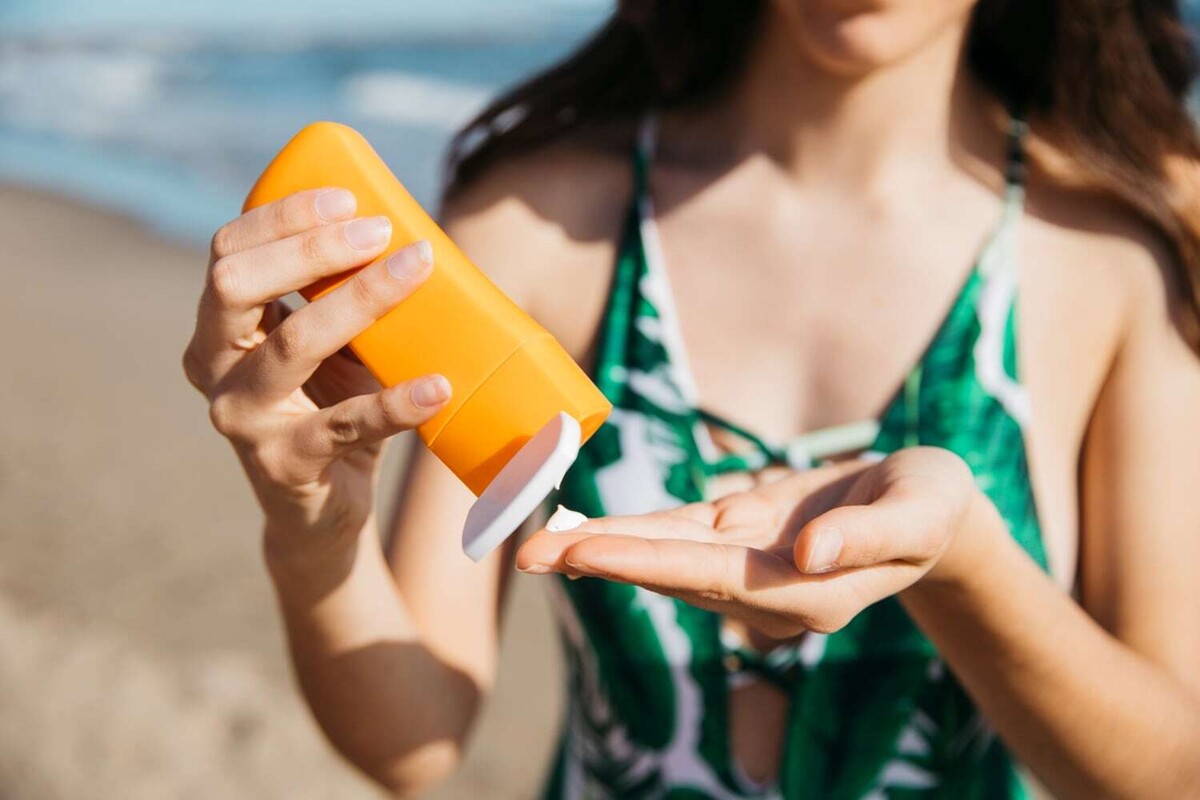
Is it true that we shouldn't use sunscreen on cloudy days? — This is one of the most common myths; however, it is proven that even on cloudy days, ultraviolet rays penetrate the clouds, leaving radiation levels above 80%, which can continue to affect the skin. Ultraviolet rays, especially UVA, are present 365 days a year, including cloudy or cold days, so it's important to include sun protection in your daily routine to prevent photoaging, cumulative damage, spots, or even clinical conditions derived from sun exposure. In reality, reapplication is one of the key factors to maintain an effective routine. Something you'd like to add—Skin protection and care is something we should all be aware of every day. What is the correct way to use sunscreen? — First of all, the best way to use it is not to forget this important step for skin care, since, according to the Mexican Foundation of Dermatology, only one in ten Mexicans use it as sun protection. This is why it's important to remember the correct way to use it, starting with application 15 to 20 minutes before direct exposure, on clean, dry skin, covering all those areas that will be exposed to the sun, such as the face, neck, ears, décolletage, arms, and legs, etc. Another factor is to consider the correct amount to use; for example, for the face, it is recommended to apply two lines of product on the index and middle fingers. At Seasons Love Your Skin, to break the barriers of forgetting its use, they formulated and designed products that feel light and accompany every type of skin and condition. These formulas are made with light textures, fast-absorbing, not sticky, and have a comfortable finish, which makes it easier for the sunscreen to integrate into the daily routine and be reapplied easily during the day. How often should it be reapplied and at what times? — The recommendation is to reapply it every two to three hours when we are exposed to the sun. It is also important to consider reapplying after swimming in the sea or pool, sweating intensely, or drying with a towel. And, of course, to debunk one of the most common errors, thinking that a high SPF protects all day. Seasons Love Your Skin is based on light and comfortable formulas with functional ingredients inspired by nature. Its range includes everything from daily use sunscreens, like the apple one with SPF 50, to more specific options like the Aquagel Sunscreen with laminaria, with antioxidant and moisturizing properties, ideal for dry and sensitive skin, and also providing an anti-aging effect. What is the difference between sun protection factors (SPF 30, 50, or more) and which is the most recommended for the beach? — The sun protection factor (SPF) indicates the level of protection against UV rays. For example, an SPF 30 blocks approximately 97% of UV rays, while an SPF 50 blocks around 98%, and an SPF 50+ offers a slightly higher level. Although the difference seems minimal, it can be significant depending on the level of exposure. For vacations or sports activities, it is recommended to use SPF 50 or higher, in addition to opting for water-resistant formulations. Now there are solutions for every need and skin type, with light textures and multifunctional formulations that not only protect but also address specific needs, such as matte options for oily skin that, at the same time, hydrate and protect. During these Holy Week vacations, taking care of your skin is more important than ever. Sun exposure can cause anything from sunburns to long-term damage, so proper protection is fundamental. To learn the best recommendations, we interviewed the CEO of Seasons, Claudia Sandoval, who shares the best way to care for your skin and enjoy the sun safely. What are the most common home remedies for sunburns and which could be harmful? — There are many home remedies that can be harmful, such as the use of butter or oils, which can trap heat in the skin and increase inflammation, or toothpaste, which can cause irritation. Some solutions that can help initially are cold compresses, soothing gels, and moisturizers. Before applying any treatment, we always recommend consulting with a skin care professional, as it is important to assess the level of impact and apply the appropriate protocol to restore it. The most important thing is to rehydrate the skin, avoid new sun exposure, and allow the skin barrier to recover.