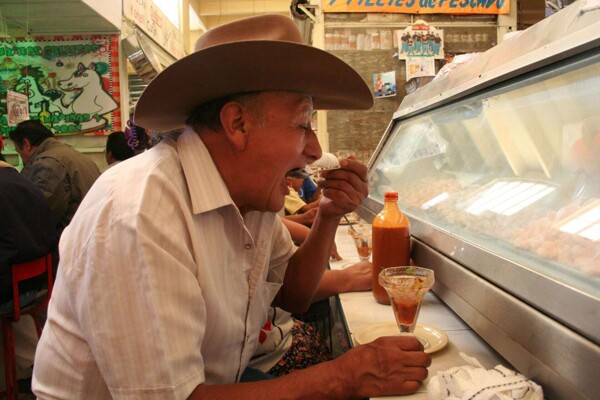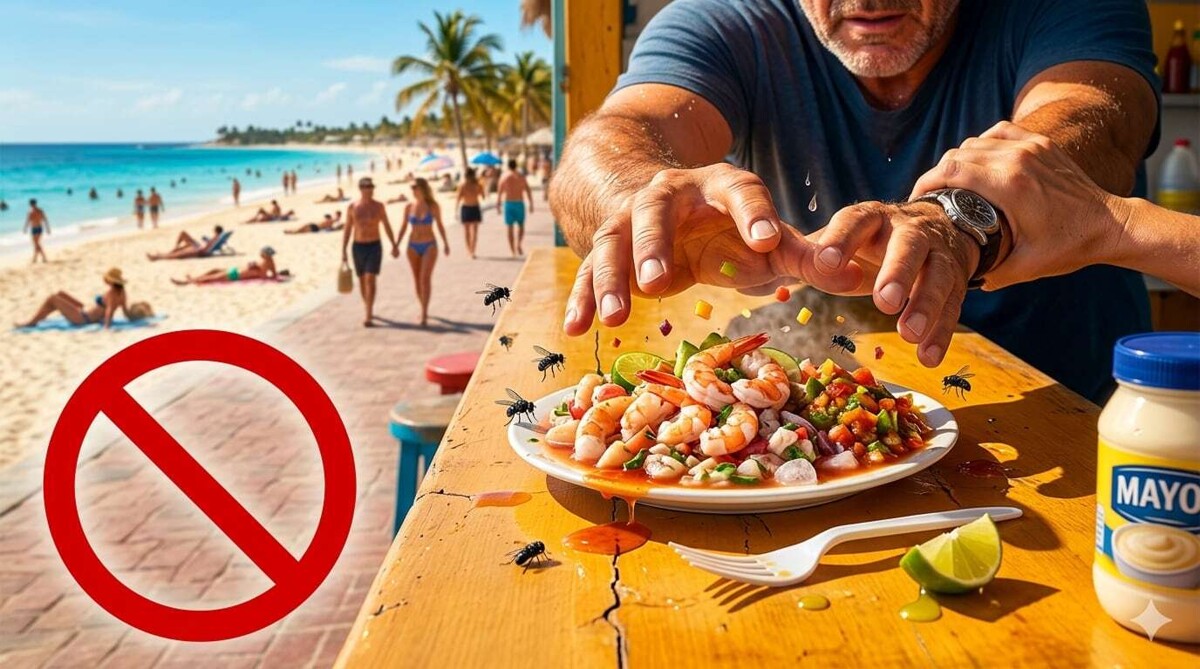
Ana Karen Tena Huerta, a nutritionist, indicated that one of the most common mistakes is leaving food out of the refrigerator for more than two hours or defrosting food at room temperature. For fish and seafood, she recommended defrosting them by keeping them in the refrigerator at less than four degrees Celsius one day before preparation, or using the microwave as an alternative if available. In the case of ceviches or cocktails, she warned that adding lemon is only an acidification process, not a cooking one; therefore, it does not eliminate bacteria or pathogens. Relying solely on this method can pose a health risk; it is necessary to apply heat cooking. Ana Karen Tena pointed out that to consume seafood safely, it is recommended to freeze fish and seafood at -20°C or less for at least seven days to kill parasites before preparing these foods. This, in addition to strict hygiene that includes washing hands with soap and water, especially after handling raw meat or fish, as well as using separate cutting boards and knives to avoid cross-contamination. Avoid street food. The IMSS nutritionist-dietitian warned that consuming food from street stalls increases the risk of infections due to the lack of potable water for washing hands and utensils, exposure to dust, and improper handling of ingredient temperatures. She detailed that among the products that pose the highest risk when eating on the street are: raw sauces, ceviches and seafood cocktails, salads with mayonnaise, fresh waters with unpurified ice. The specialist urged eating in formal establishments, consuming freshly prepared and hot food, and observing the cleanliness conditions of the place. You must wash your hands. IMSS emphasized that washing hands with soap and water is non-negotiable because it is the most effective tool for preventing gastrointestinal diseases. Heat and improperly handled food increase the danger and hit harder on children, the elderly, and people with diseases. IMSS issued this alert: high temperatures accelerate food decomposition and favor bacteria that cause gastroenteritis, salmonellosis, amoebiasis, and poisoning. The problem worsens when consuming fish and seafood or food prepared outside the home without health control. There is no room for error here: maintaining refrigeration, avoiding raw food in places of dubious hygiene, and washing hands with soap and water are the measures that make the difference between enjoying yourself or ending up in medical care. Be careful with fish refrigeration. The nutritionist attached to the Family Medicine Unit (UMF) No... recommended carrying out this practice before preparing or consuming food, after using the bathroom, and after handling money or pets. Regarding the use of antibacterial gel, she indicated that it can be a support when soap and water are not available, but it does not replace washing, especially if the hands are visibly dirty. She also called on consumers and their families to wash and disinfect fruits and vegetables, use different utensils for meats and vegetables, keep nails short and without polish, and tie up hair when cooking. She warned that infants, children, older adults, and people with chronic diseases need special care, as symptoms such as vomiting or diarrhea can lead to dehydration more quickly. Warning symptoms during Holy Week. The IMSS nutritionist alerted that there are five symptoms that should be taken into account to go to the nearest IMSS unit for medical help: persistent diarrhea or diarrhea with blood, frequent vomiting that prevents hydration, high fever that reaches or exceeds 38 degrees, signs of dehydration such as dry mouth or intense dizziness. She recalled that at its three levels of care, IMSS has trained personnel, availability of oral electrolytes, and care protocols to respond to cases of poisoning or severe dehydration, in addition to maintaining active epidemiological surveillance. She reiterated that enjoying vacations in moderation, staying hydrated, choosing safe places to eat, and not neglecting handwashing are key actions to protect health. The risk is direct: eating unhygienically during Holy Week can lead to vomiting, diarrhea, and dehydration in hours.