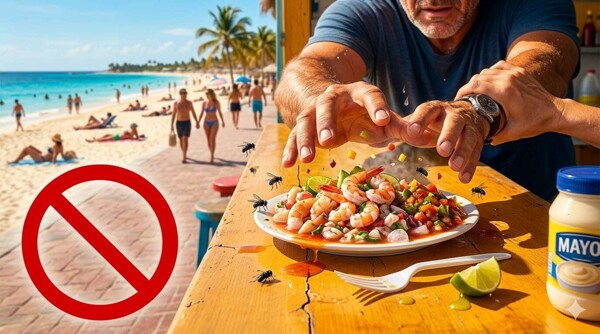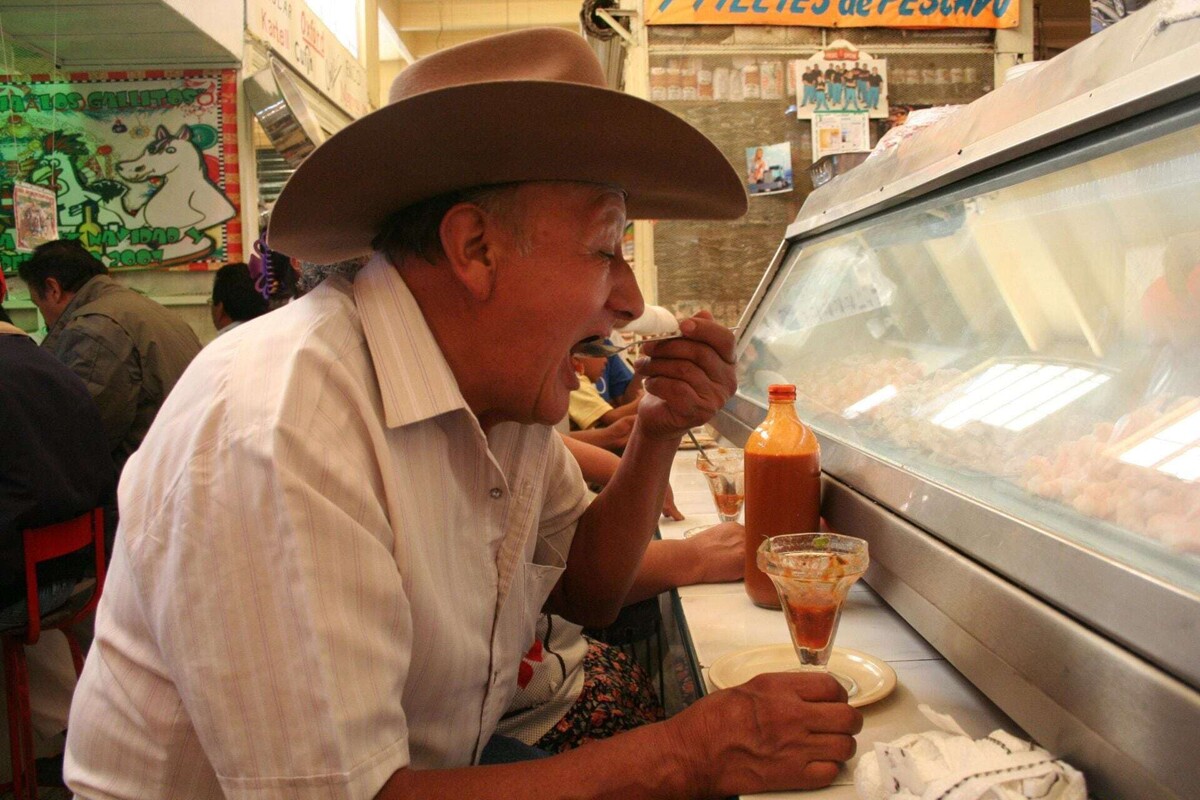
Due to rising temperatures and higher consumption of fish, seafood, and prepared foods outside the home during the Easter holiday, the Mexican Institute of Social Security (IMSS) called on the population to take extreme precautions in food handling and consumption to prevent gastrointestinal diseases. Institute specialists warned that heat accelerates food decomposition and favors bacterial proliferation, increasing the risk of illnesses such as infectious gastroenteritis, salmonellosis, amoebiasis, and food poisoning. 'It is important to cook food or, in its case, freeze it at less than -20 degrees Celsius for at least seven days to eliminate parasites,' emphasized nutritionist Ana Karen Tena Huerta, attached to Family Medicine Unit (UMF) No. 4. Street food, an infection hotspot IMSS also warned about consuming food in public places, where hygiene conditions are often deficient due to the lack of drinking water, exposure to dust, and improper handling of ingredients. Among the highest-risk products are raw sauces, seafood, salads with mayonnaise, and fresh waters made with unpurified ice. This practice should be done before preparing or eating food, after going to the bathroom, and after handling money or pets. Although the use of antibacterial gel can be helpful, it does not replace proper handwashing, especially when hands are visibly dirty. Additionally, it was recommended to wash and disinfect fruits and vegetables, use separate utensils for raw and cooked foods, keep nails short, and tie back hair when cooking to prevent cross-contamination. IMSS emphasized that vulnerable groups such as children, the elderly, and patients with chronic diseases must take extra care, as they are more prone to dehydration from vomiting or diarrhea. In case of symptoms such as persistent diarrhea, frequent vomiting, high fever, or signs of dehydration like dry mouth or dizziness, people were urged to immediately go to the nearest medical unit. Finally, the institute reminded that it has trained personnel, availability of oral rehydration solutions, and care protocols to respond to cases of poisoning or severe dehydration. The call to the population is to enjoy the holidays responsibly, stay hydrated, choose food from safe places, and not neglect basic hygiene measures to avoid health problems during Holy Week. Therefore, it was recommended to prefer formal establishments, consume freshly prepared food, and verify the cleanliness of the place. Preventive measures As a preventive measure, the organization highlighted that handwashing with soap and water is the most effective tool to prevent diseases. The specialist also pointed out that one of the most frequent errors is leaving food out of the refrigerator for more than two hours or thawing it at room temperature, practices that increase the risk of contamination. In this regard, she recommended keeping fish and seafood refrigerated at less than 4 degrees Celsius and thawing them in advance in the refrigerator or using a microwave, if available. Likewise, she alerted about the consumption of raw foods, particularly ceviche and seafood cocktails, by stating that lemon does not eliminate bacteria or parasites, as it is an acidification process, not a cooking one. 'Relying solely on lemon can represent a health risk.'