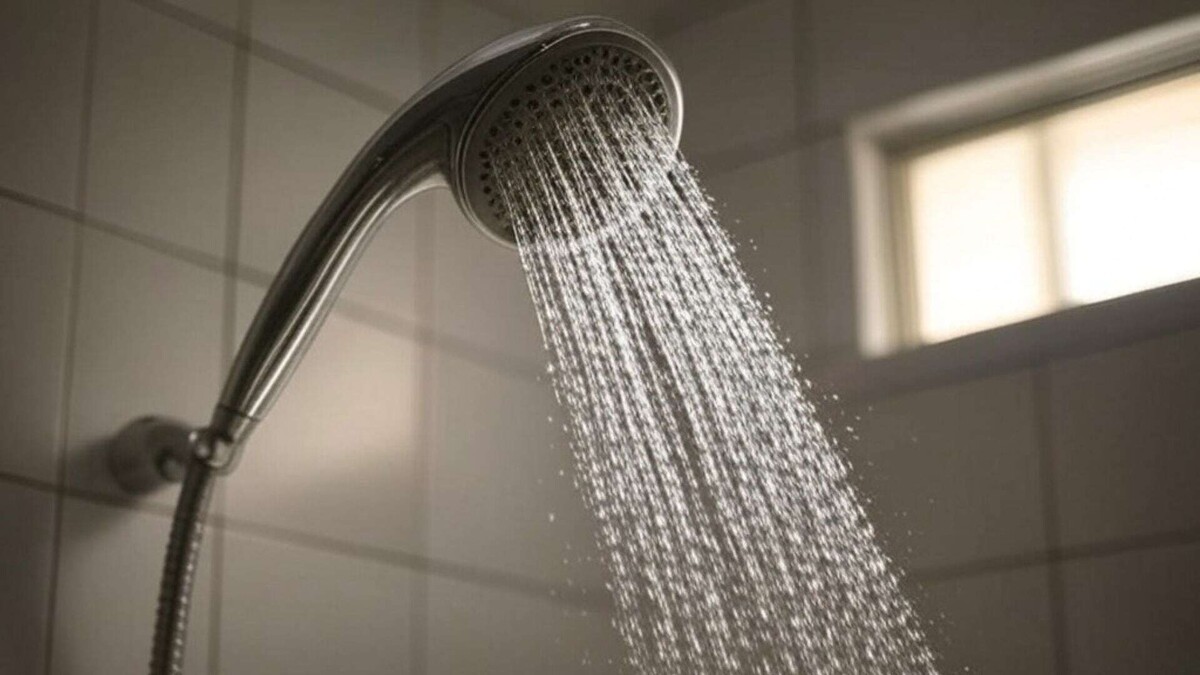
Hot water consumption in homes has become a key factor in the global and national water crisis, especially in countries like Mexico, where water stress already affects various regions. On World Water Day, experts warned that the daily use of the shower, considered a basic comfort habit, involves a high environmental cost that is rarely measured. Global consumption is on the rise. According to projections based on metrics from organizations like the World Health Organization (WHO) and the U.S. Environmental Protection Agency (EPA), more than 584 trillion liters of hot water have been consumed worldwide in the last decade. Estimates indicate that, if current habits continue, shower consumption could exceed 408 trillion liters in the next 10 years. Mexico under water pressure. In Mexico's case, the scenario is particularly critical. Data from the Mexican Water Technology Institute (IMTA) and the National Water Commission (CONAGUA) indicate that a person consumes an average of more than 360 liters of water per day. At home, the shower represents around 32% of total consumption, making it one of the main sources of resource use. Obsolete technology and waste. Specialists point out that much of the waste is due to traditional equipment that forces water to run clean while reaching the appropriate temperature. It is estimated that during this process, between 9 and 15 liters are lost per minute, in addition to the additional consumption of gas or electricity. Technological transition, key to reducing impact. Experts agree that modernizing water heating systems is an urgent measure to reduce the environmental impact. Among the highlighted solutions are the adoption of more efficient tankless water heaters, electric systems that eliminate waste before showering, and solar technologies that reduce emissions. “Changing the technology with which we heat water is no longer just about reducing the monthly bill, but about protecting the most vital resource we have,” said Berenice Ramos, Marketing Director at Calorex. Hot water consumption is no longer just a matter of comfort, but a key element in water resource management. Experts warn that without changes in habits and technology, waste will continue to put even more pressure on water availability, in a context where the water crisis demands immediate action at all levels, including households.