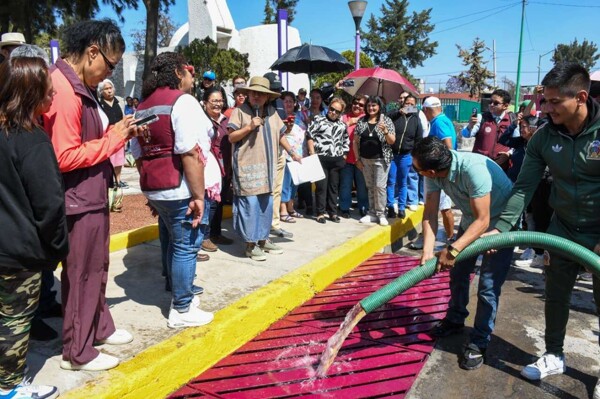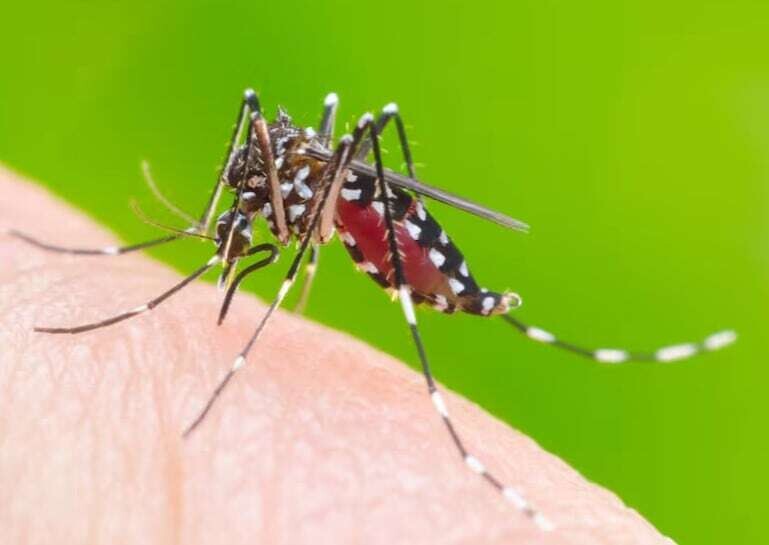
The Secretariat of Health announced the implementation of the 1st National Day for the Fight against Chikungunya and Dengue 2026, which will take place from March 23 to 27 in all 32 entities of the country as part of a strategy to reinforce the prevention and control of these vector-borne diseases. Through the National Center for Prevention and Disease Control (Cenaprece), federal authorities informed that this day includes coordinated actions in areas of high population concentration, schools, medical units, and tourist destinations. National Deployment in Risk Zones. The Director of Vector-Borne Diseases at Cenaprece, Fabián Correa Morales, detailed that interventions will focus on 420 priority localities, considered high-risk due to their population density and favorable conditions for virus transmission. In these areas, comprehensive actions will be carried out in 1,210 first-level and 252 second-level medical units, as well as in strategic public spaces. In the case of Mexico City, measures will be applied in 16 health jurisdictions as part of the national deployment. Goal: to eliminate all mosquito breeding sites. The strategy establishes the central objective of eliminating 100% of mosquito breeding sites in the intervened localities, including schools, tourist areas, and health units. To achieve this goal, authorities will implement: Massive cleanup campaigns. Comprehensive vector control. Health inspections. Application of the "Clean Patio" strategy. According to Cenaprece, these actions aim to significantly reduce the risk of virus transmission by directly intervening in the spaces where the Aedes aegypti mosquito, the main vector of chikungunya and dengue, reproduces. Use of technology to curb transmission. As part of strengthening actions, Cenaprece announced that it will incorporate innovative technologies, such as the release of Aedes aegypti mosquitoes infected with the Wolbachia bacteria. This method seeks to reduce the virus's transmission capacity by modifying the mosquito's biology without affecting people or the environment. According to health authorities, this strategy has already been used in other contexts as a complementary tool in the control of arboviruses. Call for citizen participation. Cenaprece emphasized that the success of the strategy depends not only on institutional actions but also on the collaboration of the population, particularly in eliminating objects that accumulate water in homes and community spaces. The campaign articulates the participation of government institutions, the private sector, and civil society, with the goal of reducing health risks and preventing outbreaks during the peak mosquito season.